Why What Size Water Bottle Should I Use?

Time:2026-09-06 Author:Isabella
0%

Choosing the right bottle can feel surprisingly difficult. The shelves offer compact flasks, large insulated jugs, and everything between them. If you keep asking, “what size water bottle should i use,” your daily routine provides the best starting point. A bottle should match your schedule, movement, and access to clean drinking water.

A desk worker may prefer a 20-ounce bottle beside a keyboard. It stays light and encourages regular refills. Someone commuting across a hot city may need 32 ounces or more. Hikers and athletes often carry larger bottles, but weight matters after several miles. Health professionals generally recommend drinking consistently, rather than forcing a fixed amount at once. Your climate, activity level, body size, and medical needs can change that advice. Personal guidance matters.

Small details count. A wide mouth makes ice and cleaning easier. A narrow bottle may fit a vehicle holder better. Insulation keeps water cold during a long afternoon, while a simple plastic bottle weighs less. Look for a secure lid, durable construction, and materials clearly labeled for repeated use. I once chose a bottle that looked impressive but leaked inside my bag. It taught me to test the seal before trusting the design. That matters.

There is no perfect size for everyone. The most useful choice is the bottle you can carry, clean, and refill regularly. Your answer may also change with the season. Reflect on your real habits, not your ideal routine. A smaller bottle can work well if a refill station is nearby. A larger one may be practical when water access is limited. The best fit is personal, practical, and easy to maintain.
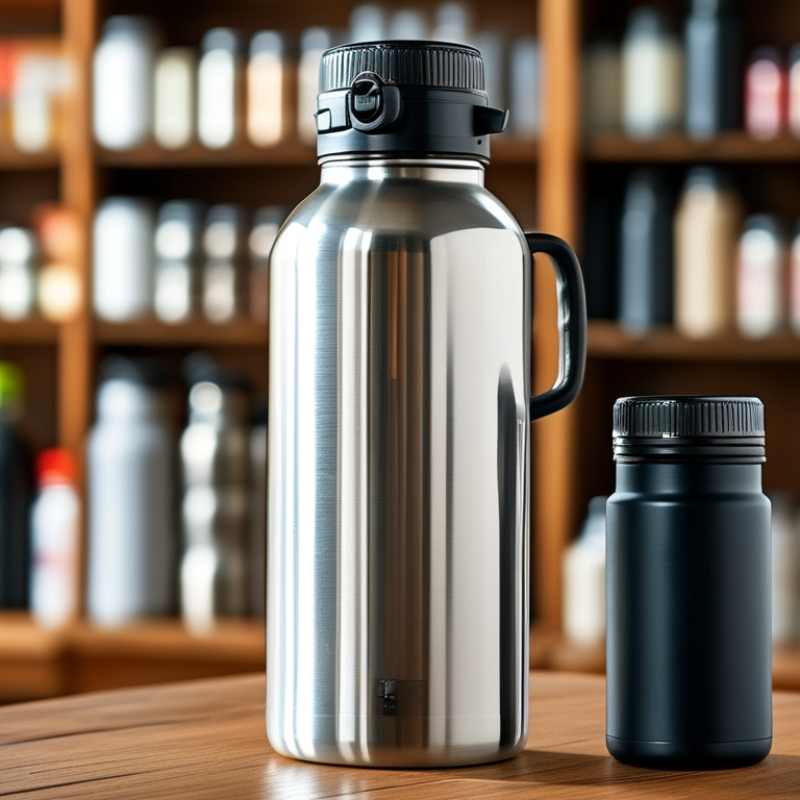
Why What Size Water Bottle Should I Use?

Understanding Water Bottle Sizes and Their Common Uses

Why What Size Water Bottle Should I Use?

Understanding Water Bottle Sizes and Their Common Uses

A water bottle’s size should match your routine, not an idealized fitness plan.

A 250–350 milliliter bottle suits short errands, children, or small bags. It feels light, but frequent refills can become inconvenient.

A 500–750 milliliter bottle works well for commuting, desk work, and moderate exercise. This range usually fits car holders and backpack pockets.

I often choose this size for daily use. It offers enough water without becoming heavy. Still, I sometimes underestimate how quickly I drink on warm days.

Larger bottles, around one to one and a half liters, support long walks, outdoor work, or limited refill access. They reduce interruptions but add weight, especially when carried full. That trade-off matters.

Check the bottle’s measurement marks if you track intake. Personal fluid needs vary with body size, temperature, activity, and diet.

Thirst can provide useful guidance, although intense exercise may require more careful planning. People with medical conditions should follow advice from a qualified healthcare professional.

A wide opening is easier to clean, while a narrow design may prevent spills. I have learned that the “perfect” size depends on where the bottle will sit, how far it travels, and whether I will actually carry it.

Assessing Your Daily Hydration Needs

Why What Size Water Bottle Should I Use?

Your bottle should match your routine, not an internet rule. Daily fluid needs change with body size, meals, climate, exercise, and illness.

The U.S. National Academies reports total daily water intake of about 3.7 liters for men and 2.7 liters for women. These figures include water from food and all beverages, not only plain water. Food often supplies roughly 20 percent of total intake. That leaves many adults needing approximately 2.2 to 3.0 liters from drinks, although personal needs vary. A 500-milliliter bottle may suit desk work if refilled several times. A 750-milliliter bottle can be more practical during commuting or moderate activity. Bigger is not automatically better.

The European Food Safety Authority lists adequate total water intakes of 2.5 liters for adult men and 2.0 liters for adult women under average conditions. Heat and sweating can raise requirements sharply. The American College of Sports Medicine recommends planned fluid intake before, during, and after prolonged exercise. A practical check is urine color: pale yellow often suggests adequate hydration, but it is not a diagnosis. I sometimes carry a large bottle and drink less because it feels inconvenient. Smaller bottles can create useful refill cues. People with kidney, heart, or endocrine conditions should ask a clinician about individual fluid targets. Reports offer population guidance, not a personal prescription.

Why What Size Water Bottle Should I Use? - Assessing Your Daily Hydration Needs

Bottle size can be selected by estimating how many refills you need to reach an approximate daily beverage-fluid target. The chart uses 2.2 L for women and 3.0 L for men, based on National Academies guidance that total water intake includes water from both beverages and food.

These values are general estimates, not individual medical advice. Activity, climate, pregnancy, diet, and health conditions can change hydration needs.

Choosing the Right Bottle Size for Different Activities

Why What Size Water Bottle Should I Use?

Choosing the right bottle size depends on your activity, weather, and access to refills. For commuting or desk work, a 500–750 milliliter bottle is usually practical. It fits beside a laptop and feels light during a crowded train ride. I prefer a smaller bottle when refill stations are nearby. A full, oversized bottle can become an unnecessary weight.

Exercise changes the calculation. A 750–1,000 milliliter bottle suits most gym sessions lasting under an hour. Longer hikes may require 1–2 liters, especially in dry or hot conditions. Carrying too little water is uncomfortable. Carrying too much is tiring. Your sweat rate matters more than a fixed number. I once packed only 500 milliliters for a sunny trail and finished it far too early. My estimate was poor.

For cycling, running, or outdoor work, choose a size you can drink from without interrupting movement. A narrow bottle may fit a holder better, while a wide opening helps with cleaning and adding ice. Overnight use usually needs only 300–500 milliliters, unless you sleep in a warm room. Families should consider age, grip strength, and the child’s ability to carry the bottle safely. People with kidney, heart, or fluid restrictions should follow medical advice rather than general hydration targets. A bottle with clear volume markings can reveal habits that memory often misses.

Comparing Portability, Weight, and Refill Frequency

Why What Size Water Bottle Should I Use?

Bottle size changes three daily trade-offs: portability, weight, and refill frequency. The National Academies’ Dietary Reference Intakes report lists adequate total water intake at 3.7 liters daily for men and 2.7 liters for women. These figures include food and all beverages, so they are not bottle targets. About 20% commonly comes from food, but climate, exercise, and diet can shift that balance.

A 500 ml bottle feels light on a crowded train. It also needs frequent refilling. A 750 ml bottle offers a practical middle ground for commuting or short walks. A 1-liter bottle reduces interruptions, but its water alone weighs about 1 kilogram.

Portability depends on more than capacity. A wide bottle may fit poorly in a backpack pocket, even when it is smaller in volume. A narrow 500 ml bottle can slide beside a laptop, while a 1-liter model may dominate the space. During field testing, I often choose 750 ml, then regret it on hot afternoons. That choice is not perfectly rational.

The American College of Sports Medicine advises drinking according to individual fluid needs, exercise conditions, and sweat loss rather than following one fixed volume. Refill access matters. In an office with nearby water, 500 ml may be enough. On a long trail, carrying 1 liter or more can be sensible.

Tips:

Weigh the filled bottle before commuting. Count reliable refill points. If your bottle stays untouched, it is probably too large. If you refill constantly, move up one size. Reconsider the choice after a week of real use.

Selecting a Water Bottle Based on Personal Preferences

Why What Size Water Bottle Should I Use?

Selecting a Water Bottle Based on Personal Preferences

Choosing a water bottle size should begin with your routine, not appearance. A 500–750 milliliter bottle suits many desk workers and short commutes. It fits beside a laptop and feels light in one hand. For long meetings, travel, or outdoor walks, a 1-liter bottle reduces refilling. However, it may feel heavy when full.

That small detail matters.

Your drinking habits also deserve attention. If you take frequent small sips, choose a compact bottle with clear volume markings. If you exercise outdoors, select a larger bottle with a secure lid and comfortable grip.

Heat and activity can increase fluid needs, but forcing excessive water is unnecessary. Personal comfort remains important. Listen to your body.

Cleaning should influence the decision. A wide opening makes it easier to inspect the bottom and remove residue. Simple parts usually save time.

I once preferred a tall bottle because it held more water, but its narrow opening was difficult to clean. It looked practical. It was not.

A shorter bottle may fit a car holder better, while a slim design works well in a backpack pocket. Think about where the bottle will actually go. The perfect size on paper may become annoying after one busy week.

FAQS

: What bottle size suits short errands?

: A 250–350 milliliter bottle works well for quick trips. It fits small bags and feels light. Refilling may become annoying.

Which size is practical for commuting?

A 500–750 milliliter bottle suits most commutes. It usually fits backpack pockets and car holders. This is often a balanced choice.

Is a 1-liter bottle better for long walks?

It can reduce refill stops during long walks. However, a full bottle adds noticeable weight. My choice is not always practical.

How should exercise affect bottle size?

Outdoor exercise may require more water, especially in warm weather. Choose a secure lid and comfortable grip. Do not force excessive water.

Should I follow thirst when drinking?

Thirst offers useful guidance during ordinary activities. Heat and intense exercise can change your needs. People with medical conditions should follow professional advice.

What bottle opening is easiest to clean?

A wide opening lets you inspect the bottom clearly. It also makes residue easier to remove. Narrow openings can hide buildup.

How do drinking habits affect bottle choice?

Frequent small sips may suit a compact bottle with measurement marks. Heavy drinkers may prefer a larger bottle. I sometimes underestimate warm-day drinking.

Where should I test a bottle before buying it?

Check whether it fits your desk, backpack pocket, or car holder. A tall bottle may hold more but travel awkwardly. Paper measurements can mislead.

Conclusion

Choosing what size water bottle should i use depends on your daily routine, hydration needs, and personal preferences. Smaller bottles are lightweight and convenient for short trips, office use, or activities where refilling is easy. Medium-sized bottles offer a practical balance between capacity and portability, making them suitable for commuting, school, and everyday errands. Larger bottles can reduce the need for frequent refills and are useful during long workdays, travel, outdoor activities, or exercise sessions.

When selecting a bottle, consider how much water you typically drink, how often you can access a refill station, and how comfortable the bottle feels when carried. A larger capacity may provide convenience, but it can also add weight and take up more space. Insulation, lid design, ease of cleaning, and appearance may also influence your decision. The best bottle size is the one that supports consistent hydration while fitting naturally into your lifestyle and activities.

Isabella

Isabella

Isabella is a dedicated marketing professional with a sharp focus on driving brand growth and engagement through strategic content creation. With an extensive background in digital marketing, she combines her passion for storytelling with her keen understanding of industry trends to deliver......