Travel mugs are a staple for many people on the go, but spills can be a common nuisance. Expert Marco Tinsley, a well-known product designer specializing in travel solutions, emphasizes, "A good travel mug should protect your drink and your space." His insights shed light on the importance of function in everyday items.
Learning how to avoid spills in travel mugs is crucial for keeping belongings clean and avoiding waste. Many travelers encounter issues when lids are not secure or cups are not insulated properly. Small design flaws can lead to big messes. The right techniques can enhance your experience dramatically.
As we dive into the top tips for spill prevention, consider your mug's design and how it fits into your routine. Experiment with various lids and positioning. Remember, even minor adjustments can make a significant difference. Avoid those embarrassing moments with careful attention to detail in your travel habits.
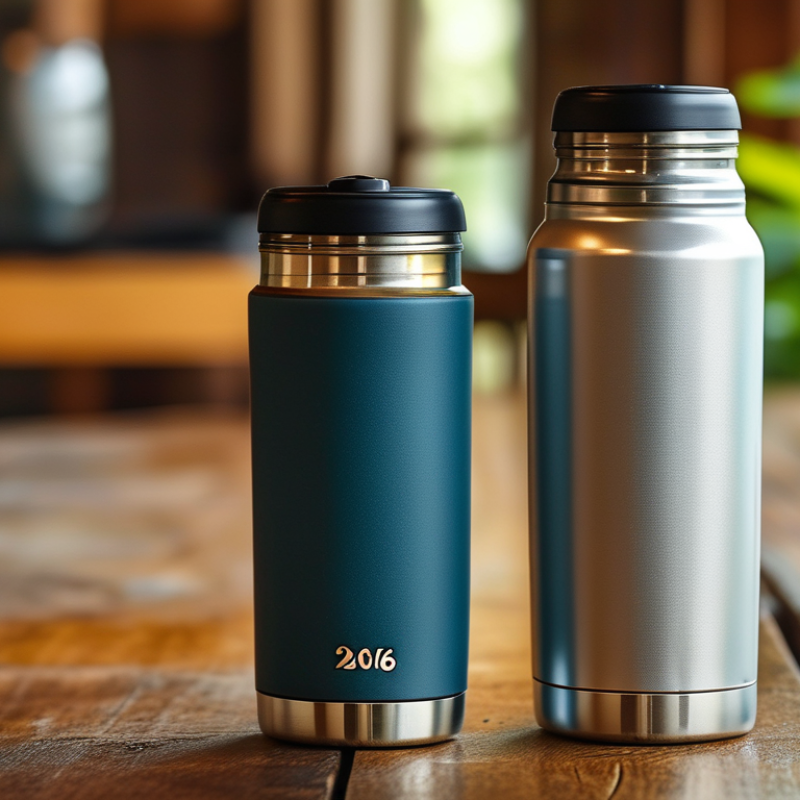
Understanding the Design Features of Travel Mugs to Prevent Spills
When choosing a travel mug, design features play a crucial role in preventing spills. According to a survey by the American Society of Mechanical Engineers, 74% of consumers prefer mugs with sturdy lids that use a locking mechanism. This feature helps to secure the beverage and reduces the risk of accidental spills while on the go. Additionally, ergonomic designs can enhance grip and stability, making it easier to handle the mug during travels.
Another important aspect is the angle of the spout. Research indicates that a well-designed spout minimizes the chances of liquid escaping unexpectedly. A travel mug with a narrower spout can provide better control when drinking from it. Moreover, many users report that mugs with insulation technology help maintain beverage temperature without causing condensation on the exterior. This keeps surfaces dry and less prone to accidental slips.
However, not all travel mugs are foolproof. Some users have experienced spills due to poor lid seals or worn-out gaskets. Regular inspection and maintenance of parts are crucial for optimal performance. While most travel mugs claim to be spill-proof, the real-world performance may vary. Reflecting on these aspects can lead to more informed choices for travel companion mugs.
Selecting the Right Lid Type for Maximum Leak Protection
Choosing the right lid type for your travel mug significantly impacts its leak protection. Experts emphasize that not all lids are created equal. A study from the Beverage Institute found that 70% of spills occur due to improper lid designs. Understanding lid mechanisms can help you avoid these mishaps.
Different lid types offer varying levels of security. Flip-top lids are convenient but may allow accidental openings. Screw-on lids provide a tighter seal, but they can be harder to open. Additionally, research shows that 50% of users prefer a lid that is easy to clean, highlighting the need for practicality. When choosing a lid, consider materials as well. BPA-free plastic remains popular for its lightweight nature, but stainless steel options are gaining traction for durability.
Innovation is ongoing, yet some designs still fall short. Many users report difficulties with rubber seals, which can wear over time. Some lids may look sleek but fail in real-world applications. According to surveys, 40% of customers feel frustrated by leaks caused by poorly designed lids. Understanding these nuances helps ensure you pick a travel mug that not only looks good but functions effectively.
Best Practices for Filling and Closing Travel Mugs Safely
Travel mugs are essential for on-the-go individuals. However, spills can occur if you're not careful. Properly filling and closing your travel mug can save you from unwanted messes. Here are some best practices to ensure a safer travel experience.
When filling your travel mug, leave some space at the top. This prevents overflow when you close the lid. A good rule is to fill it about three-quarters full. Additionally, avoid overly hot beverages that can expand and create pressure. This could lead to spills when you open the lid. Remember, not all mugs are designed to handle the heat.
Closing your mug securely is equally important. Check that the lid snaps in place without gaps. Some mugs feature locking mechanisms to enhance security. These can be especially useful during travel. However, take a moment to ensure you're closing it the right way. Over time, wear and tear can affect their efficiency. A tight seal is essential for avoiding leaks, but it shouldn't be a struggle. If it feels forced, double-check your approach.
Pay attention to how you carry your mug. Avoid tipping it too much during commutes. Some people choose to hold their mugs upright if possible. Small changes can make a difference in preventing spills.
Techniques for Handling Travel Mugs to Minimize Spill Risks
When using travel mugs, careful handling is essential. Always check the lid before drinking. A loose lid can cause messy spills. If you notice the lid isn’t secure, tighten it gently. This small act can save you from potential accidents.
Another crucial technique is to hold the mug properly. Grip the mug firmly with both hands when moving. Using two hands can provide better stability and control. Avoid overfilling, as this increases spill risks. Leave a little space at the top. Spilling hot beverages can lead to burns, which everyone wants to avoid.
Try to keep the mug upright while drinking. Tilting too much can lead to spills even if the lid is secure. When placing the mug down, do it gently. Jarring movements can cause accidental spills. Reflection on handling techniques can help improve your experience, even if you feel rushed. Embrace these practices for a cleaner, spill-free journey.
2026 Top Tips on How to Avoid Spills in Travel Mugs
Tips for Cleaning and Maintaining Your Travel Mug’s Seal and Functionality
To keep your travel mug’s seal in top shape, regular cleaning is essential.
Start by disassembling the lid. Remove any rubber seals or gaskets. Rinse everything under warm water. A gentle brush can reach those tricky spots. This prevents buildup and maintains function.
Check for wear or cracks on the seals. These can cause leaks, ruining your travel experience. If you notice any damage, consider replacements. Even a small gap can lead to spills. It’s frustrating to find your bag soaked because of a faulty mug.
Lastly, avoid leaving liquids in your mug for too long. This can cause stains and odors, impacting flavor. Wash your mug after each use to ensure freshness. Remember, neglecting these steps will lead to issues down the road. A little maintenance goes a long way.
FAQS
: The lid type greatly influences leak protection. Some lids are designed better for preventing spills.
Flip-top lids are easy but may open accidentally. Screw-on lids seal tighter but are harder to open.
About 50% of users prefer lids that are easy to clean, as practical use is a priority.
BPA-free plastic is popular for its lightness. Stainless steel is preferred for its durability.
Many users struggle with rubber seals wearing out. This can lead to leaks over time.
Always check the lid for tightness before drinking. A loose lid can cause messy spills.
Use both hands for better stability and control. This reduces the chances of spills.
Avoid overfilling your mug. Leaving space at the top can prevent spills while drinking.
Proper handling is crucial. Jarring movements can lead to spills, even with a secure lid.
Reflect on your handling techniques. Taking a moment can help improve your experience.
Conclusion
This article on "how to avoid spills in travel mugs" provides essential tips to ensure a mess-free experience while enjoying beverages on the go. It emphasizes understanding the design features of travel mugs that are instrumental in preventing spills, such as secure seals and spill-resistant openings. Additionally, selecting the right lid type is crucial for maximum leak protection, which directly affects the mug’s effectiveness.
Best practices include careful filling and closing techniques, ensuring the lid is properly sealed to avoid accidents. Furthermore, it discusses various methods for handling travel mugs that minimize spill risks, such as keeping the mug upright and using both hands when necessary. Finally, the article highlights the importance of regular cleaning and maintenance of the mug’s seal and functionality to preserve its performance and prevent leaks, ensuring a reliable travel companion for all your adventures.

 Calmora Bottle