Top 10 Tips to Prevent Odor in Water Bottles?

Time:2026-09-01 Author:Sophia
0%

Keeping your water bottle fresh and odor-free can be a challenge. Many people struggle with unpleasant smells that linger despite regular cleaning. Learning how to prevent odor in water bottles is crucial for maintaining a healthy hydration routine.

Bacteria thrive in damp environments, making water bottles a prime target. These organisms can produce unpleasant odors, leading to an undesirable drinking experience. It’s vital to understand that even small residues can contribute to this issue. Regular maintenance and proper cleaning techniques will help you avoid the pitfalls of odor buildup.

Many users overlook the importance of drying their bottles completely after washing. Storing a wet bottle can result in mold and mildew growth. Consider investing in a bottle with a wide mouth or easy access for thorough cleaning. Remember, attention to detail can dramatically improve your experience, ensuring that every sip from your bottle is refreshing. Implementing effective practices is easier than you think and can transform your hydration habits.
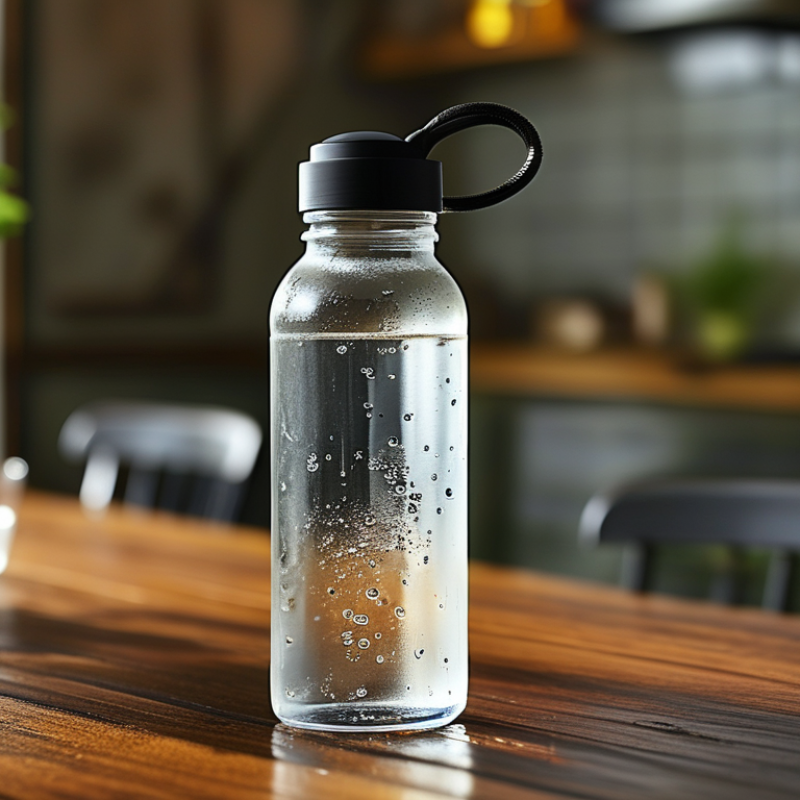
Top 10 Tips to Prevent Odor in Water Bottles?

Understanding the Causes of Odor in Water Bottles

Understanding the causes of odor in water bottles is essential for maintaining a fresh and clean drinking experience. Bacteria and mold thrive in moist environments, making water bottles a prime target. Research indicates that nearly 75% of reusable water bottles harbor harmful bacteria, often due to inadequate cleaning. When left unwashed, these microorganisms can cause unpleasant odors that linger and can affect the taste of water.

Another contributing factor is the buildup of organic materials. Residues from drinks, such as flavored waters or sports drinks, can create a sticky environment that promotes bacterial growth. This organic sludge can release foul smells over time. A study conducted by the International Journal of Environmental Health revealed that improper maintenance of hydration systems leads to increased odor levels.

Additionally, the material of the bottle plays a significant role. Bottles made from plastic can absorb odors more easily than those made from stainless steel or glass. This means that even after washing, some bottles might retain unpleasant smells. It's crucial to choose the right materials and establish a consistent cleaning routine to mitigate these issues.

Choosing the Right Material for Your Water Bottle

Choosing the right material for your water bottle is crucial in preventing odors. Many people opt for plastic bottles, thinking they are lightweight and convenient. However, plastic can retain odors and flavors over time. Bacteria can thrive in plastic if not cleaned properly. This can lead to unpleasant smells and even affect the taste of your water.

Stainless steel bottles are a popular alternative. They are more hygienic and resistant to retaining smells. Stainless steel also helps maintain the temperature of your beverages. However, not all stainless steel is created equal. Lower-quality steel might still allow odors to seep in. Glass bottles are another option. They do not retain smells and are easy to clean. However, they can be heavy and breakable, which is a concern for some users.

When selecting a bottle, consider the cleaning process as well. Regular maintenance is essential regardless of the material. Even high-quality options can develop odors if neglected. It's always better to invest time in cleaning your bottle than to deal with lingering smells later. Pay attention to the material you choose, as it plays a major role in the overall experience.

Regular Cleaning Techniques to Prevent Bacterial Growth

Water bottles are essential for staying hydrated, but they can harbor unpleasant odors if not properly maintained. Regular cleaning is crucial to prevent bacterial growth that can lead to these issues. Research indicates that reusable bottles can contain hundreds of thousands of bacteria if neglected, posing health risks to users. A study from the University of Arizona revealed that water bottles can be dirtier than toilet seats.

To maintain cleanliness, rinse your bottle daily and use a mixture of warm water with mild detergent. For deeper cleaning, you can use white vinegar or baking soda. These natural agents effectively eliminate odors and disinfect surfaces. Regular scrubbing with a bottle brush helps reach tough spots. Aim to clean your bottle after every use, especially if filled with sugary drinks or flavored waters.

Keeping your bottle dry is just as important. After washing, let it air dry completely. Moist environments encourage bacteria. Use a clean cloth or a drying rack to ensure it gets adequate airflow. It’s a small step but makes a substantial difference in odor prevention. Remember, proper maintenance not only enhances the experience of using your water bottle but also protects your health.

Top 10 Tips to Prevent Odor in Water Bottles

Tip Number Cleaning Technique Frequency Additional Note
1 Wash with Soap and Water Daily Use a bottle brush for best results.
2 Vinegar Rinse Weekly Mix equal parts of water and vinegar.
3 Baking Soda Scrub Monthly Helps in removing tough stains and odors.
4 Use of Dish Soap After every use Follow up with thorough rinsing.
5 Clean Straw and Lid Weekly Use a brush specifically for straws.
6 Heat Treatment Monthly Pour boiling water and let it sit.
7 Avoid Sweetened Drinks Always Sugar leads to bacteria growth.
8 Dry Completely After Washing Use a clean towel or air dry.
9 Use Essential Oils As needed Peppermint and lemon oils work well.
10 Store Open Whenever possible Prevents moisture buildup.

Best Practices for Drying and Storing Your Water Bottle

Keeping your water bottle odor-free starts with proper drying and storage practices. After washing, ensure that your bottle is completely dry. Leaving it damp can lead to mold and bad smells. Try placing your bottle upside down on a drying rack. This allows air to circulate and removes moisture effectively.

When storing your bottle, choose a cool, dry place. Avoid areas with high humidity, as this can encourage bacteria growth. Using a breathable fabric bag instead of plastic can help maintain air flow, reducing stagnant moisture. Don’t forget to regularly check your bottle for any signs of odor or residue.

It’s essential to clean your bottle frequently. If you notice unpleasant smells, try a baking soda solution or vinegar rinse. Soak your bottle for a few hours before rinsing it thoroughly. This method not only cleans but also deodorizes. If you don’t mind the extra effort, consider air-drying the cap separately to eliminate hidden dampness. Keeping your water bottle in great shape requires diligence. Reflecting on these practices can lead to a healthier hydration routine.

Using Natural Remedies to Eliminate Existing Odors

Water bottles can develop unpleasant odors, especially when used frequently. To tackle existing odors, natural remedies are both effective and safe. Baking soda is a popular choice. Just add a few tablespoons to the bottle, fill it with water, and let it sit overnight. The baking soda will absorb the unwanted smells and leave your bottle fresh.

Another great option is vinegar. This acetic acid not only cleans but also neutralizes odors. Mix equal parts of water and vinegar, and fill your bottle. Let it sit for a few hours before rinsing thoroughly. The distinct smell of vinegar dissipates quickly, leaving your bottle odor-free. For a pleasant touch, you can add lemon slices or a few drops of essential oils.

Keeping your bottle dry and clean is vital. Regularly washing it with these natural ingredients can prevent odors from developing. However, remember to check for hard-to-reach areas where bacteria may hide. It’s not uncommon to overlook small nooks. You might need a bottle brush for those stubborn spots. Giving your water bottle some extra care will ensure a fresher drinking experience.

Top 10 Tips to Prevent Odor in Water Bottles

FAQS

: Why is material choice important for a water bottle?

: The bottle's material affects odor retention and bacteria growth. Some materials hold smells, impacting taste.

What problems can plastic water bottles cause?

Plastic can retain odors and flavors. Bacteria thrive if not cleaned properly, leading to unpleasant smells.

Are stainless steel bottles better than plastic?

Yes, they are more hygienic and do not retain smells. However, lower-quality steel may still allow odors.

What are the pros and cons of glass bottles?

Glass does not retain odors and is easy to clean, but it can be heavy and breakable.

How can I effectively clean my water bottle?

Regular maintenance is key. Even quality bottles can smell if neglected. Cleaning is better than dealing with odors.

What natural remedies can eliminate odors in water bottles?

Baking soda and vinegar are great options. They absorb smells and neutralize odors effectively.

How does vinegar help with bottle odors?

Vinegar cleans and neutralizes odors. Its smell dissipates quickly, leaving the bottle fresh after rinsing.

Is it necessary to clean hard-to-reach areas of the bottle?

Yes, bacteria can hide in tight spots. A bottle brush can help clean those stubborn areas effectively.

Conclusion

To effectively understand how to prevent odor in water bottles, it's essential to first identify the causes of odor. Common culprits include bacterial growth and moisture retention within the bottle. Choosing the right material for your water bottle can also play a significant role; materials that are less porous or easier to clean can help mitigate odor issues.

Regular cleaning techniques are crucial for maintaining freshness, with recommendations to clean your bottle daily using soap and warm water or specialized cleaning tablets. Additionally, employing best practices for drying and storing your water bottle, such as ensuring it is completely dry before putting it away, will help prevent mold and unpleasant smells. For existing odors, natural remedies like baking soda, vinegar, or lemon juice can be effective in restoring your bottle's freshness. By following these tips, you can easily maintain a clean and odor-free water bottle.

Sophia

Sophia

Sophia is a dedicated marketing professional with an exceptional depth of knowledge about her company's products and services. With a keen understanding of market trends and customer needs, she crafts insightful blog posts that not only inform but also engage readers, enriching the company’s online......