What Is the Lifespan of Stainless Steel Bottles 7 Tips?

Time:2026-10-23 Author:Henry
0%

When people ask, “what is the lifespan of stainless steel bottles,” they often expect one exact number. The answer is less tidy. A well-made bottle may last five to ten years, while careful users sometimes keep one much longer. However, its useful life depends on steel quality, daily handling, cleaning habits, and seal condition. A 304 stainless steel bottle usually resists rust and staining well. A 316 model may offer better protection in harsh environments. Still, no bottle is indestructible.

Picture a bottle sliding across a car floor, collecting coffee residue around its lid, or developing a small dent after a fall. These details matter. Scratches, damaged threads, loose silicone rings, and trapped moisture can reduce performance before the metal fails. Manufacturer care instructions deserve attention, especially when they address dishwashers, insulation, or replacement parts. Food safety guidance also supports regular washing and complete drying. A bottle that smells sour is not necessarily finished, but it needs proper cleaning.

This guide explores seven practical tips for extending bottle life. It covers material quality, daily washing, odor control, impact damage, and lid maintenance. It also explains when replacement makes more sense than repair. The estimate may still feel imperfect. That is the honest part. A bottle used gently at a desk faces different stress than one carried on a hiking trail every day. By checking small warning signs early, readers can make a safer, more economical decision and avoid treating durability claims as guarantees.
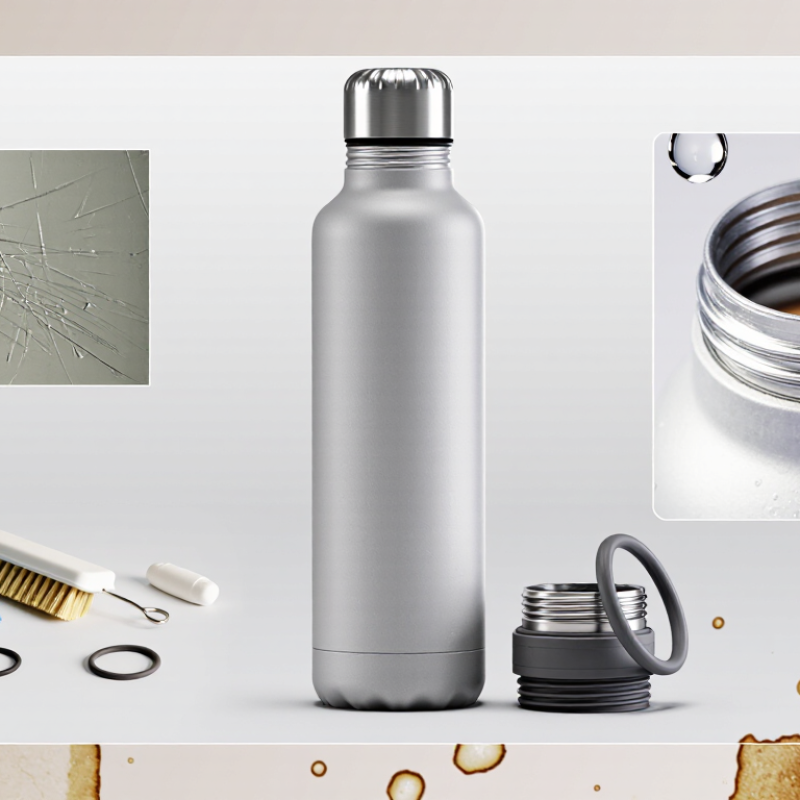
What Is the Lifespan of Stainless Steel Bottles 7 Tips?

What Determines the Lifespan of a Stainless Steel Bottle

A stainless steel bottle can last for many years, but its lifespan depends on more than the metal itself. There is no universal laboratory number. In daily use, grade, thickness, weld quality, and lid design all matter. Common 18/8 stainless steel resists ordinary beverages, while salty or acidic liquids increase pitting risk. ASTM G48 testing specifically examines this kind of localized corrosion. It matters.

Care changes the outcome. Rinse the bottle after coffee, juice, or electrolyte drinks. Dry it with the lid removed, because trapped moisture can stain threads and seals. Avoid abrasive powders and metal brushes. They may create tiny scratches where residue collects. Small habits matter.

Heat cycling also deserves attention. Repeatedly filling a cold bottle with boiling liquid can stress seals and coatings, even when the steel remains sound.

A practical seven-point check is simple: inspect the steel grade, avoid dents, protect the mouth and threads, wash promptly, dry completely, replace worn silicone seals, and stop using bottles with deep corrosion. The International Stainless Steel Forum’s Stainless Steel in Figures 2024 reports stainless steel production of about 58.4 million tonnes in 2023, supporting its broad industrial use and repairability. The same industry body reports that roughly 90% of stainless steel reaches recycling at end of life. That figure does not guarantee a bottle will last ninety years. I would not promise that. With moderate care, a well-made bottle may remain serviceable for a decade or longer, but impact damage and neglected seals often end its useful life first.

Typical Service Life Under Different Conditions

What Is the Lifespan of Stainless Steel Bottles 7 Tips?

Typical Service Life Under Different Conditions

A stainless steel bottle commonly serves for five to ten years, depending on daily treatment. Some remain usable longer, but appearance and hygiene may decline first. In regular home use, hand washing, gentle drying, and careful storage can preserve the bottle for many years. Avoid leaving water inside overnight. Moisture can encourage odors around the lid and gasket.

Seven practical factors shape service life. Check the bottle for dents after drops, because damaged walls may weaken insulation. Rinse it after coffee, juice, or sports drinks, especially when sugars remain on the inner surface. Use a soft brush rather than abrasive powder. Keep the cap slightly open while drying. Replace cracked seals promptly. Do not fill a vacuum bottle beyond its recommended level. Inspect the thread every few months.

Conditions matter greatly. Daily dishwasher use may shorten the finish and reduce gasket life, even when the steel body remains sound. Coastal air, salty residue, and hard water can leave spots that need regular cleaning. A bottle carried outdoors may last three to seven years because of impacts and temperature changes. A lightly used bottle indoors may exceed ten years. These figures are practical estimates, not guarantees. I once assumed a spotless exterior meant perfect condition, but hidden lid wear proved otherwise. Taste changes, leaks, deep dents, or persistent odors are better replacement signals than age alone.

Signs That a Stainless Steel Bottle Needs Replacement

What Is the Lifespan of Stainless Steel Bottles? 7 Tips

A well-made stainless steel bottle can last five to ten years, sometimes longer. However, lifespan depends on cleaning, drops, heat exposure, and lid quality. The bottle may still look attractive while becoming unsafe or inconvenient. I once kept using a bottle with a tiny leak because it seemed harmless. It was not.

Deep scratches, pitting, or rust-like spots deserve attention. Small surface marks may disappear after careful washing, but holes and rough corrosion are permanent concerns. Replace the bottle if the inner wall flakes, changes taste, or leaves a metallic smell after cleaning. A strong chemical odor is another warning sign. Do not ignore it.

Check the lid and seal closely. A cracked gasket, persistent mold, or a lid that no longer closes securely can cause leaks and contamination. Gaskets can often be replaced separately, but not when the lid is warped or damaged. A dented bottle may also lose its vacuum insulation. If hot water cools quickly or condensation appears outside, the insulated layer may have failed. Replace it when performance remains poor after cleaning.

Look inside with a bright light. Inspect the threading, rim, and bottom seam. These areas collect residue. Wash the bottle with warm water and mild detergent, then let every part dry completely. Bleach, harsh abrasives, and prolonged soaking may damage seals or finishes. My judgment is not perfect; a minor mark can look alarming. When corrosion, odor, leakage, and poor insulation appear together, replacement is the safer choice.

Cleaning and Storage Practices That Extend Bottle Longevity

A well-made stainless steel bottle can last five to ten years, or longer, with consistent care. Cleaning and storage habits often matter more than appearance. I learned this after leaving a bottle damp overnight. The sour smell returned quickly.

Rinse the bottle soon after drinking, especially after milk, juice, or sweetened beverages. Rinse immediately. Use warm water, mild dish soap, and a soft bottle brush. Scrub the shoulder, base, and threaded areas where residue hides. Clean the lid separately, including its silicone seal. A narrow brush helps remove buildup from small openings. Avoid steel wool and harsh chlorine products, which may scratch surfaces or weaken seals. Baking soda can help with odors, but rinse thoroughly afterward.

Let every part dry completely before storage. Keep it dry. Store the bottle upright with the lid loose or removed. This allows air to circulate and prevents trapped moisture. Do not leave it in a hot car, where heat can stress the seal and encourage odors. Inspect the cap, gasket, and inner surface every few weeks. Replace worn seals when leaks appear, and stop using the bottle if deep dents affect its stability or interior coating. My own routine is not perfect, and occasional neglect happens. The important lesson is returning to careful cleaning before residue becomes permanent.

What Is the Lifespan of Stainless Steel Bottles? 7 Tips for Longer Use

A practical maintenance schedule that helps reduce odor, residue, corrosion risk, and premature wear. Actual bottle lifespan varies with steel quality, frequency of use, impact, and care.

Seven care practices that extend bottle longevity

  • Wash the bottle after every use, especially after beverages other than plain water.
  • Use warm water and mild dish soap; avoid harsh chlorine-based cleaners unless the manufacturer specifically allows them.
  • Deep-clean the cap, threads, straw, and silicone gasket at least once a week.
  • Use a soft bottle brush instead of abrasive pads that can scratch the interior.
  • Rinse thoroughly so soap and beverage residue do not remain inside.
  • Dry the bottle and cap separately with the lid open before storage.
  • Inspect seals monthly and replace cracked, loose, or permanently odorous parts.

How to Choose a Durable Stainless Steel Bottle for Long-Term Use

Choosing a durable stainless steel bottle starts with the metal, not the color or shape. Look for food-grade 18/8 stainless steel, often identified as 304, because it resists rust and common drink acids. For salty drinks or humid environments, 316 steel offers stronger corrosion resistance. A clear material specification is more trustworthy than vague claims.

Inspect the bottle in person when possible. The walls should feel firm, but not unnecessarily heavy. Smooth welds reduce dirt buildup around the mouth and base. A wide opening makes cleaning easier, especially after coffee or protein drinks. The lid should close evenly, and its silicone seal should fit tightly without stretching. Small details matter.

I once chose a bottle with excellent insulation but a weak cap. It leaked inside my work bag within weeks. That mistake changed how I shop. I now test the lid with cold water, turn the bottle upside down, and check for movement around the threads. A replaceable seal can extend service life, while a complicated lid may create hidden cleaning problems.

For long-term use, choose a bottle that tolerates daily washing and occasional drops. Powder coating can improve grip, but deep dents may affect the inner vacuum layer. Avoid bottles with peeling interiors, sharp edges, or a persistent metallic smell. Wash the bottle soon after use and dry it with the lid removed. Even durable steel fails faster when moisture remains trapped inside.

FAQS

How long does a stainless steel bottle usually last?

It commonly lasts five to ten years with regular care. Light indoor use may exceed ten years.

What habits help a bottle last longer?

Hand wash it with mild soap and a soft brush. Dry every part completely before storage. Care matters.

How should I clean the bottle after sweet drinks?

Rinse it soon after drinking juice, milk, or sports beverages. Scrub the base, shoulder, threads, lid, and seal.

Can I leave water inside overnight?

Avoid it when possible. Trapped moisture may create odors around the lid and silicone gasket.

How should I store the bottle between uses?

Store it upright with the lid loose or removed. Air circulation helps prevent trapped moisture and sour smells.

Does dishwasher use reduce the bottle’s lifespan?

Frequent dishwasher use may fade the finish and shorten gasket life. The steel body can still remain usable.

When should I replace the bottle?

Replace it for persistent odors, repeated leaks, deep dents, or noticeable taste changes. Age alone is not decisive.

How do outdoor conditions affect service life?

Outdoor bottles may last three to seven years because of impacts and temperature changes. Coastal air can leave salty spots.

What should I inspect regularly?

Check the cap, gasket, threads, and inner surface every few weeks. Look for cracks, residue, and looseness.

Can cleaning routines be imperfect?

Yes. My routine is not perfect. Return to careful cleaning before residue and odors become difficult to remove.

Conclusion

What is the lifespan of stainless steel bottles? With proper care, a well-made stainless steel bottle can remain useful for many years, but its service life depends on the steel quality, wall thickness, lid construction, frequency of use, and exposure to impacts or extreme temperatures. Daily-use bottles may last five to ten years or longer when handled carefully, while heavily damaged or poorly maintained bottles may need replacement sooner. Dents, rust spots, persistent odors, leaking seals, damaged threads, and peeling interior coatings are signs that a bottle should no longer be used.

Regular cleaning is essential for extending longevity. Wash the bottle and lid after use, allow every part to dry completely, and avoid storing liquid inside for long periods. Gentle brushes and mild cleaning solutions help prevent scratches and residue buildup. When choosing a durable bottle, look for food-safe stainless steel, secure seams, a reliable lid, replaceable seals, and a design that is easy to clean. Proper storage and careful handling can preserve both performance and hygiene over the long term.

Henry

Henry

Henry is a dedicated marketing professional with a profound expertise in the company's offerings. With years of experience in the industry, he possesses an impressive understanding of the market dynamics and consumer behaviors that drive success. Henry is committed to sharing his insights through......