As the world moves towards sustainability, the inquiry into "are reusable bottles safe for health" becomes increasingly relevant. Many individuals embrace reusable bottles to reduce plastic waste. However, concerns regarding their safety are often overlooked.
In 2026, the landscape of reusable bottles has evolved. New materials and innovative designs have emerged, promising better health safety. While these changes seem positive, questions remain. Materials like stainless steel and certain plastics can pose risks. Are these bottles truly free from harmful chemicals?
Moreover, the potential for bacterial growth is often dismissed. People must be mindful of proper cleaning practices. The lack of awareness about maintenance can lead to health risks. Thus, the safety of reusable bottles hinges not just on materials, but also on user habits. This complexity begs further exploration into true safety.
The Evolution of Reusable Bottles: Trends and Innovations by 2026
The evolution of reusable bottles reflects growing consumer awareness and innovation. By 2026, trends indicate a shift towards sustainable materials. Research shows that 60% of consumers prefer bottles made from glass and stainless steel. These materials, unlike plastic, do not leach harmful chemicals.
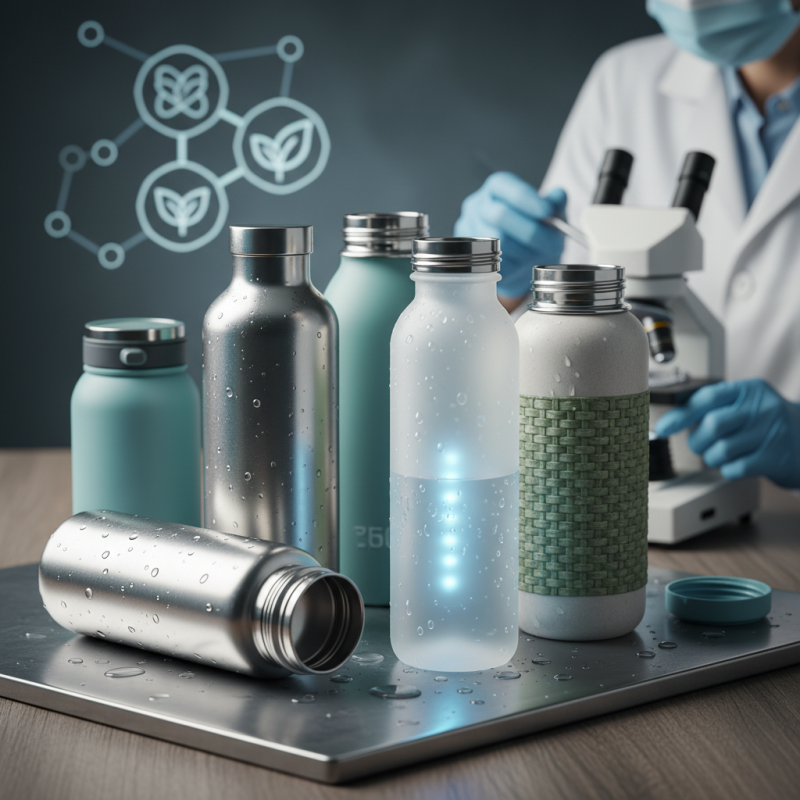
Innovative designs have emerged, prioritizing user experience. Smart bottles incorporate technology to track hydration levels. Some models feature UV-C light to sanitize water, ensuring safety. A report from the Environmental Protection Agency projects a rise in such innovations.
Concerns about hygiene remain relevant. Despite advancements, studies show repeated use can lead to bacterial growth in some reusable bottles. Regular cleaning is essential to minimize health risks. Understanding material safety, usability, and hygiene standards is crucial. As we approach 2026, continued education will guide consumer choices.
Health Perspectives: Assessing Chemicals in Reusable Bottles
As we move into 2026, the safety of reusable bottles continues to spark debate. One major concern is the presence of chemicals like BPA and phthalates. Although many bottles are now labeled as "BPA-free", other harmful substances may still linger. It’s crucial to examine the materials used in these bottles closely. Some alternatives can leach chemicals when exposed to heat or scratched.
Studies indicate that certain plastic components might break down over time, releasing microplastics into the water. This is troubling since the long-term health effects of microplastics in our bodies remain unclear. Research is ongoing, and while some findings are alarming, we still lack comprehensive data on the cumulative effects.
Glass and stainless steel are often recommended as safer options. They don't contain the same harmful chemicals. However, they can pose risks if broken or dented. This raises the question: is convenience worth the potential risk? As consumers, awareness of these details is essential. Educating ourselves can lead to better choices. But even with safer options, no solution is flawless. It's an ongoing challenge to navigate our options wisely.
Material Safety: Comparing BPA, Tritan, and Stainless Steel Bottles
When considering reusable bottles, material safety is a primary concern. BPA, or bisphenol A, has been a notorious chemical in plastics. Studies link BPA exposure to health risks, prompting many to seek alternatives. The market now offers BPA-free options, but the safety of substitutes is still debated.
Tritan plastic is a popular choice among manufacturers. It’s billed as BPA-free and appears to be a safer option. However, some research has raised questions about whether Tritan releases harmful chemicals. The long-term effects of using this plastic remain unclear. Parents and health-conscious consumers should weigh the risks.
Stainless steel bottles stand out as a durable choice. They do not leach chemicals like plastic can. This metal option also keeps beverages hot or cold for hours. Yet, stainless steel can get scratched over time, leading to rust. Regular inspection is crucial to ensure safety. Each material offers pros and cons; users must consider their preferences and lifestyle before making a decision.
Material Safety Comparison of Reusable Bottles in 2026
Impact of Reusable Bottles on Public Health and Environmental Sustainability
Reusable bottles have gained significant attention as eco-friendly alternatives. They reduce plastic waste, addressing a pressing environmental issue. However, their safety for health can be nuanced. Many users believe that reusing bottles is entirely safe. Yet, improper cleaning can lead to bacterial growth. Contaminants can accumulate over time if bottles are not regularly sanitized.
Additionally, the materials used to make reusable bottles can vary greatly. Some bottles contain BPA or other harmful substances that may leach into drinks. While many manufacturers have shifted to safer materials, not all bottles are created equal. Research suggests users should always check the material type and choose wisely.
Public health is intertwined with environmental sustainability. Reducing single-use plastics improves overall well-being. Communities can thrive when they prioritize sustainable practices. However, awareness about the correct use and maintenance of reusable bottles is crucial. This education should focus on both environmental impact and personal health. Regular campaigns can help reinforce proper cleaning habits and material choices. People must take responsibility for their reusable bottles. It’s a shared journey towards better health and a cleaner planet.
Consumer Awareness and Regulatory Standards for Reusable Bottles in 2026
In 2026, consumer awareness regarding the safety of reusable bottles has significantly increased. Many users are now more informed about the materials used in these bottles. Concerns about chemicals like BPA and phthalates have pushed consumers to seek safer options. Regulatory standards are evolving to address these issues. Manufacturers must comply with strict guidelines to ensure their products are safe for public use.
Tips: Always check for certifications. Look for bottles that meet safety standards. These may include ISO or FDA guarantees. A well-informed choice can help you find reliable options.
Product labels now include detailed information on materials. This transparency helps consumers make better decisions. However, not all brands comply equally, which can be frustrating. Many users report feeling overwhelmed by available choices. Consider researching brands that prioritize safety over aesthetics. It's essential to look beyond the label to understand the product's quality fully.
Tips: Clean your reusable bottles regularly. Bacteria can grow in neglected spaces, impacting your health. Consider using a bottle brush and mild soap for thorough cleaning. Stay informed about changes in regulations, as these will impact your choices in the future.
Are Reusable Bottles Safe for Health in 2026?
| Material |
Safety Rating (2026) |
Regulatory Standard |
Bacterial Growth Risk |
Recyclability |
| Stainless Steel |
High |
FDA Approved |
Low |
Yes |
| BPA-Free Plastic |
Moderate |
FDA Approved |
Medium |
Yes |
| Glass |
Very High |
FDA Approved |
Low |
Yes |
| Silicone |
High |
FDA Approved |
Low |
Yes |
| Aluminum |
Moderate |
FDA Approved |
Medium |
Yes |
FAQS
: Research shows 60% of consumers prefer glass and stainless steel. These materials are safer than plastic.
Yes, they reduce plastic waste. This helps address environmental issues significantly.
Yes, improper cleaning can lead to bacterial growth. Regular sanitization is essential for safety.
BPA exposure is linked to health risks. Many consumers seek BPA-free alternatives, though safety remains debated.
Tritan is marketed as BPA-free, but its safety is still questioned. Long-term effects are unclear for users.
Stainless steel bottles do not leach chemicals and keep beverages at desired temperatures. However, they can rust.
Different materials can pose risks, so users must research before choosing. Not all bottles are equally safe.
Campaigns should educate on cleaning habits and material safety. Awareness can lead to better health and sustainability.
Taking care of bottles ensures personal health and environmental benefits. It's essential for a cleaner planet.
Conclusion
In 2026, the question "are reusable bottles safe for health" remains at the forefront of public discourse. The evolution of reusable bottles has seen a surge in trends and innovations, focusing on materials that prioritize safety and sustainability. A thorough assessment of chemical components in these bottles, particularly concerning BPA, Tritan, and stainless steel, reflects a growing concern for consumer health.
Additionally, the impact of reusable bottles extends beyond individual health to encompass public health and environmental sustainability, highlighting the dual benefits of reducing plastic waste while ensuring safe drinking practices. As consumer awareness rises, regulatory standards around reusable bottles are becoming more stringent, ensuring that safety remains a top priority in this burgeoning industry.

 Calmora Bottle