Keeping your vacuum flasks in top condition is essential for every user. According to Dr. Emily Parker, a leading expert in thermal insulation technology, “Proper maintenance can significantly extend the lifespan of your vacuum flasks.” This statement highlights the importance of understanding how to maintain vacuum flasks for optimal performance.
Cleaning and care play crucial roles in the longevity of these flasks. Regularly inspect the flask's exterior for dents or scratches. A damaged flask may not retain heat effectively, which is frustrating. Moreover, don’t neglect the lid and sealing mechanisms. They need to be checked frequently to ensure their effectiveness.
In addition to cleaning, users must be aware of what not to do. Avoid using abrasive cleaners, as they can scratch the surface. Storing your vacuum flask empty for long periods can also lead to unpleasant odors. Small mistakes can diminish performance, so it's important to reflect on your usage habits. With a focused approach, you can ensure that your vacuum flasks serve you well over time.
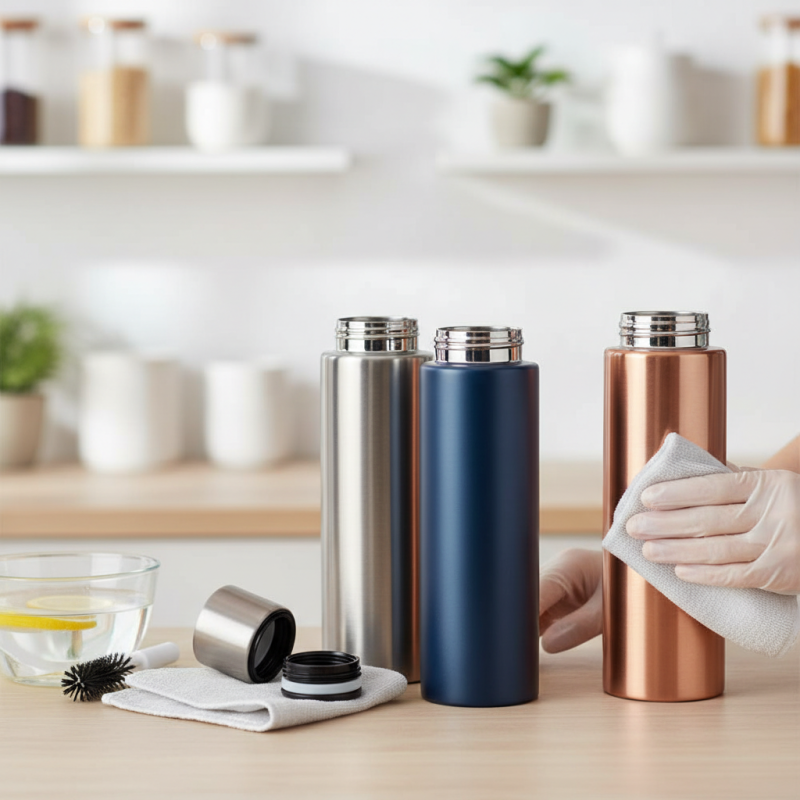
Vacuum flasks consist of two walls, creating a space that minimizes heat transfer. The air between these walls is often removed to create a vacuum. This design is critical for maintaining temperature stability. Studies have shown that vacuum flasks can retain heat or cold effectively for hours. In controlled tests, these flasks maintained liquid temperatures within 5 degrees of the original for over 24 hours.
The insulation type greatly impacts performance. Double-walled glass is common, but stainless steel is gaining preference for durability. Each material has its pros and cons. Glass can break easily, while stainless steel can dent and affect insulation. According to a report from the International Journal of Applied Thermodynamics, insulation quality can decline by up to 15% over time. Proper maintenance is essential. Users often overlook small cracks or dents, unaware that these can compromise performance.
Cleaning methods are also vital. Rough scrubbing can scratch surfaces, leading to heat loss. Use mild detergents and soft sponges to clean the interior. Regularly check the cap seals, as they can wear out with extensive use. Users should consider these factors to enhance the lifespan and efficiency of their vacuum flasks. Over time, small habits can lead to major improvements.
: A vacuum flask minimizes heat transfer, maintaining the temperature of liquids for hours.
Different materials, like glass and stainless steel, have various pros and cons, affecting insulation efficiency.
Regular inspections are important. Look for dents, cracks, or worn seals that can compromise insulation.
Use mild detergents and soft sponges. Avoid rough scrubbing that can scratch surfaces.
Store in a dry, cool place away from direct sunlight to maintain insulation properties.
If your flask struggles to maintain temperature or shows signs of physical damage, consider replacement.
Avoid stacking heavy items on top. This pressure can distort their shape and insulation quality.
Rust is a clear sign of wear. Consider replacing components or the entire flask to ensure safety.
Regular maintenance checks and proper storage practices can lead to major long-term benefits.
Yes, ensuring it's completely dry prevents mold growth and maintains cleanliness inside the flask.
To understand how to maintain vacuum flasks for optimal performance, it is essential to first grasp their structure and functionality. Vacuum flasks work by creating a barrier against heat transfer, which helps keep beverages hot or cold. Regular cleaning techniques, such as using warm soapy water or baking soda for stubborn stains, are crucial in preserving the interior and ensuring that unwanted odors do not linger.
Additionally, proper storage is vital; flasks should be kept upright and free from moisture to prevent mold growth. Avoiding common mistakes, such as exposure to extreme temperatures or using abrasive materials for cleaning, can significantly extend the lifespan of your vacuum flask. Finally, knowing when to replace your vacuum flask—indicated by diminished insulation performance or visible wear—can help maintain optimal functionality. By following these guidelines, users can enjoy consistent temperature retention and longevity from their vacuum flasks.

 Calmora Bottle