Are Glass Bottles Better Than Plastic for Global Buyers?

Time:2026-06-28 Author:Aria
0%

In recent years, consumer preferences have shifted towards more sustainable packaging options. Glass bottles have emerged as a popular alternative to plastic. But the question remains, "are glass bottles better than plastic?" Experts in the field, like Dr. Sarah Mendez, a sustainability researcher, weigh in on this debate. She states, “While glass is recyclable, we must consider the energy used in its production.”

Glass bottles offer advantages such as being recyclable and reusable. However, they also have weight and fragility drawbacks. For global buyers, these factors can impact shipping costs and environmental footprints. The production process of glass is energy-intensive, raising concerns about its overall sustainability.

Moreover, while glass does not contain harmful chemicals found in some plastics, the logistics of distribution can be challenging. It raises questions about how "better" is defined. Is it about recyclability, environmental impact, or health safety? This ongoing debate pushes consumers to reflect on their choices and the implications of their packaging decisions. Understanding these complexities is crucial for making informed choices in a changing market.
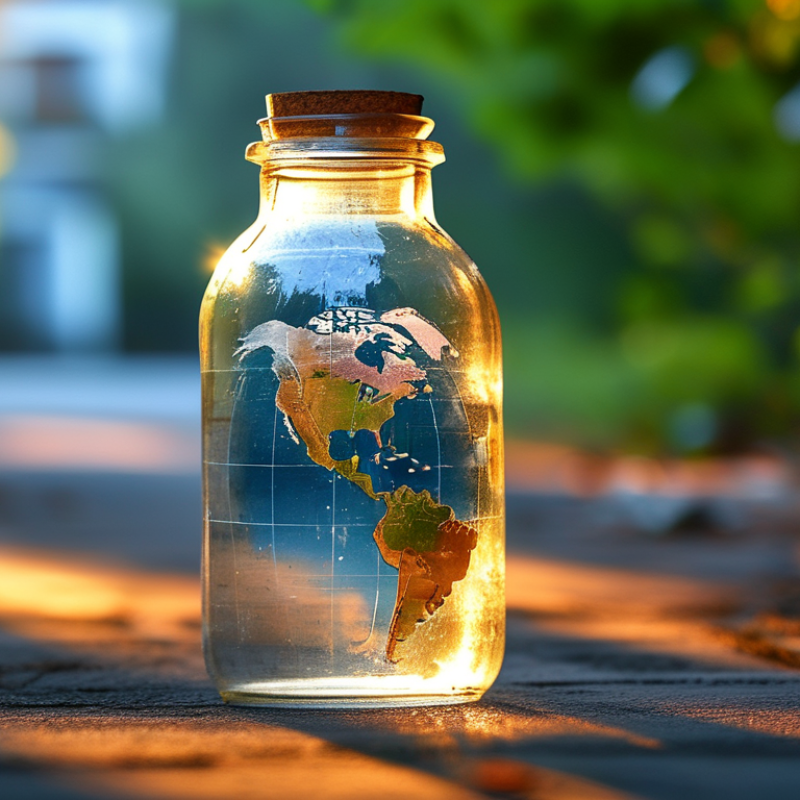
Are Glass Bottles Better Than Plastic for Global Buyers?

Environmental Impact of Glass vs. Plastic Bottles

Glass and plastic bottles each have unique environmental impacts. Glass is made from sand, soda ash, and limestone. It’s recyclable and can be reused many times without degradation. However, the production of glass involves significant energy consumption. This contributes to a larger carbon footprint compared to plastic. While glass is inert and does not leach harmful chemicals, its weight increases transportation emissions.

Plastic, on the other hand, is lightweight and cheaper to produce. Most people view it as more convenient. Yet, plastic bottles contribute to massive waste. Millions end up in landfills and oceans every year. They take hundreds of years to decompose. Moreover, plastic can break down into microplastics, which harm marine life and enter the food chain.

Choosing between glass and plastic involves complex trade-offs. Glass has lasting durability and less chemical risk. But it may not be the best choice for every situation. Plastic offers convenience but at a substantial environmental cost. It's essential to consider personal habits and local recycling options when making bottle choices.

Health Concerns Associated with Glass and Plastic Packaging

The debate over glass versus plastic packaging often hinges on health concerns. Glass is usually considered safer for food and beverages. It avoids chemicals that can leach into products. When heated, plastic can release harmful compounds. These substances may disrupt hormones and affect overall health. Glass, however, is inert and does not pose such risks.

Yet, the downsides of glass packaging exist. It is heavier than plastic and can break easily. This raises safety issues during transportation and use. Some buyers may prefer plastic for its convenience and durability. However, they should be aware of potential health risks tied to plastic products.

**Tips for Consumers:** When choosing packaging, consider the lifespan and reusability of the material. Look for glass containers with a solid design to minimize breakage. If you opt for plastic, select BPA-free options whenever possible. Always stay informed about the latest research on packaging materials to make wiser choices for your health and the environment.

Are Glass Bottles Better Than Plastic for Global Buyers?

Packaging Type Health Impact Environmental Impact Recyclability Weight Cost
Glass Low leaching of chemicals, no BPA Heavy carbon footprint during production Highly recyclable Heavier than plastic Generally higher cost
Plastic Can leach harmful chemicals (BPA, etc.) Lower carbon footprint, but contributes to pollution Less recyclable, often ends up in landfills Lightweight Generally lower cost

Economic Considerations for Producers and Consumers

Glass bottles have gained traction in recent years, primarily for their sustainability potential. In 2022, the market for glass containers was valued at approximately $70 billion, and it’s expected to grow. Consumers increasingly favor eco-friendly options. However, the cost implications are complex.

For producers, glass bottles tend to have higher production costs. The energy required to produce glass is significant. A report from the U.S. Department of Energy indicated that glass production can consume up to 2,700 kilowatt-hours per ton. This expense often leads producers to opt for plastic, which is cheaper to manufacture. A switch to glass might increase retail prices by 10% to 30% for consumers, influencing buying behavior.

Demand for plastic remains strong due to its lightweight and durability. Yet, consumers are paying more attention to the environmental costs. Nearly 80% of plastic bottles end up in landfills or oceans. This statistic raises questions about long-term economic viability. While initial costs for glass might be higher, long-term savings could arise from reduced environmental cleanup efforts. Industries must weigh these factors carefully, balancing their economic interests with sustainability goals.

Recycling Efficiency and Sustainability of Glass and Plastic

When comparing glass bottles to plastic ones, recycling efficiency plays a crucial role. Glass is infinitely recyclable without loss of quality. This means it can be reused many times, contributing to less waste in landfills. In contrast, plastics often degrade during recycling processes. The result is a material that, while recyclable, becomes less effective with each cycle. Many consumers remain unaware of this fundamental difference.

Sustainability is another area to consider. Glass production requires more energy upfront but has a longer life cycle. Using glass bottles can reduce the overall carbon footprint over time. In this regard, glass emerges as a more sustainable choice despite its heavier weight and fragility. However, transporting glass creates its own environmental challenges.

On the flip side, plastic bottles are lighter and cheaper to produce. They appeal to a broad market due to their convenience. Yet, the afterlife of plastic can be problematic. A significant portion ends up in oceans, harming marine life. Consumers must confront the reality of plastic pollution and its long-term impacts on the environment. Reflecting on these factors, the choice between glass and plastic isn't straightforward.

Consumer Preferences and Market Trends in Bottle Choices

Consumer preferences are shifting significantly towards glass bottles over plastic. This shift reflects growing concerns about sustainability and health. Many buyers are now aware of the dangers of microplastics. They prefer products that are perceived as safer. Glass bottles stand out due to their reusability and recyclability.

Market trends show that eco-conscious consumers are willing to pay more for glass. They appreciate the aesthetic appeal and the premium feel it offers. However, the heavier nature of glass poses challenges for transportation. This can lead to higher shipping costs. Some may argue that glass can break easily, which creates concerns during handling.

Moreover, the quality of the beverage inside a glass bottle is often regarded as superior. Consumers report better taste and freshness. Yet, not everyone is ready to abandon plastic. Some people find plastic bottles more convenient. They are lighter and less likely to break. This ongoing debate highlights the complexity of consumer choices in the current market landscape.

Are Glass Bottles Better Than Plastic for Global Buyers?

FAQS

: Why is glass considered safer for food and beverages?

: Glass does not leach harmful chemicals into products, unlike plastic, which can release compounds when heated.

What are the health risks associated with plastic packaging?

Plastic can release harmful substances that may disrupt hormones and negatively affect overall health.

What are the drawbacks of glass packaging?

Glass is heavier and can break easily, raising safety concerns during transport and everyday use.

How does recycling efficiency differ between glass and plastic?

Glass is infinitely recyclable without losing quality, while plastic degrades with each recycling cycle.

Why is glass considered more sustainable than plastic?

Although glass production requires more energy, its longer life cycle reduces the carbon footprint over time.

What challenges does transporting glass pose for the environment?

The weight of glass contributes to higher transportation emissions, creating environmental concerns.

What are the convenience factors of plastic packaging?

Plastic is lighter and cheaper to produce, making it popular among consumers for everyday use.

What happens to plastic waste after it's discarded?

A large amount of plastic waste ends up in oceans, causing harm to marine life and ecosystems.

How can consumers make wiser packaging choices?

They should consider the lifespan, reusability, and latest research on health impacts of materials.

What should consumers look for if choosing plastic packaging?

Opt for BPA-free options to minimize health risks associated with certain plastic products.

Conclusion

The debate over whether glass bottles are better than plastic involves multiple aspects, including environmental impact, health concerns, economic factors, recycling efficiency, and consumer preferences. Environmentally, glass bottles tend to have a lower carbon footprint over their lifecycle compared to plastic, as they are recyclable and do not contribute to microplastic pollution. However, the heavy weight of glass can lead to higher transportation emissions.

Health-wise, glass is non-toxic and does not leach harmful chemicals, whereas certain plastics can release substances into contents under specific conditions. Economically, while glass can be more expensive, its durability and reusability may offer long-term benefits. Recycling efficiency reveals that glass is infinitely recyclable without loss of quality, while plastic recycling remains a challenge due to contamination and the varying types of plastic. Ultimately, consumer preferences are shifting towards sustainable options, raising the question: are glass bottles better than plastic for global buyers?

Aria

Aria

Aria is a dedicated marketing professional with a deep passion for innovative strategies and a keen understanding of our company's product offerings. With a wealth of experience in the industry, Aria excels at crafting engaging content that highlights the unique features and benefits of our......