When considering the best drinking bottle for your needs, understanding what is the difference between single wall and double wall bottles is essential. Single wall bottles consist of one layer of material, making them lightweight and easier to carry. They are often made from stainless steel or plastic. This design allows liquids to cool or warm quickly, which can be both advantageous and disadvantageous. For example, water stays cool but heats up in the sun.
On the other hand, double wall bottles feature two layers. This creates extra insulation, keeping drinks hot or cold for longer periods. The space between the walls reduces heat transfer, enhancing thermal efficiency. Users often appreciate this feature when they want a hot drink during winter hikes. However, double wall bottles tend to be heavier and bulkier than their single wall counterparts.
Ultimately, the choice between single wall and double wall bottles depends on personal preferences and intended use. While both types have their merits, understanding these differences can lead to a more informed decision. Quality and reliability should also be considered when selecting a bottle. Reflecting on your specific needs can help avoid purchasing a product that might not meet your expectations.
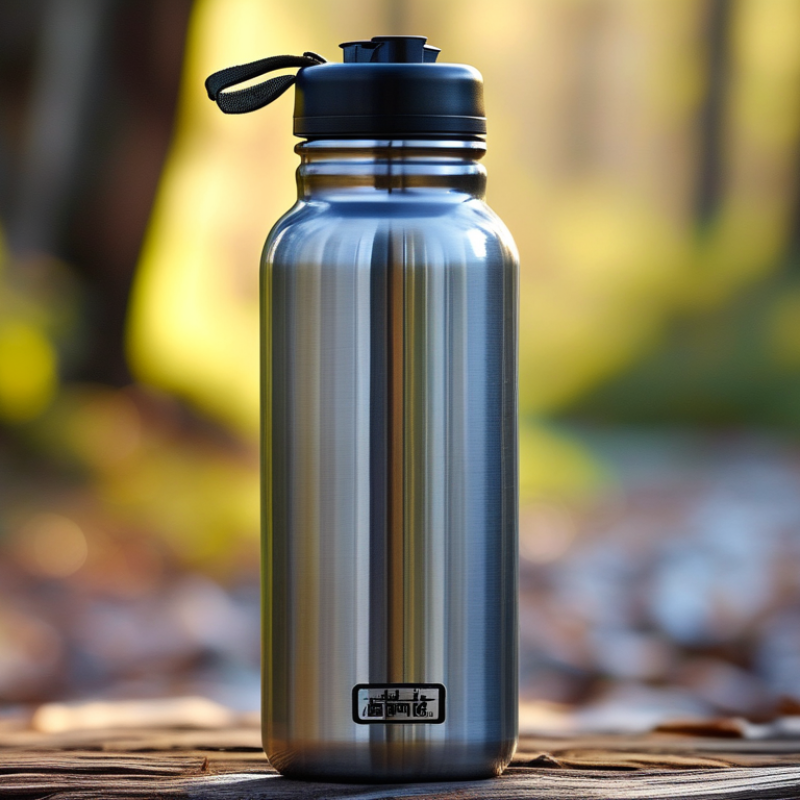
Single wall and double wall bottles differ significantly in design and function. A single wall bottle is essentially a hollow container. It does not have any insulation, making it lightweight and simple. You can easily see the liquid inside. However, this can lead to rapid temperature changes. For example, a hot beverage may cool down faster than you expect.
On the other hand, a double wall bottle features two walls, creating an insulating layer between them. This design helps maintain the temperature of the liquids inside. Cold drinks stay cold longer, while hot drinks remain hot. The air between the walls acts as a barrier. This prevents heat transfer. Yet, double wall bottles tend to be bulkier and may feel heavier.
Choosing between the two can be tricky. Some prefer the simplicity of a single wall bottle for everyday use. Others might appreciate the temperature control offered by double wall options. It’s essential to think about your needs. Your choice can impact your drinking experience.
Single wall bottles are often favored for their simplicity and lightweight design. These bottles are typically made from single layers of materials, mostly stainless steel or plastic. This design leads to a lower thermal insulation capability, meaning they don't keep drinks hot or cold for extended periods. Data shows that single wall bottles can maintain the temperature of cold beverages for just 2 to 4 hours, compared to double wall options that can sustain cold or hot for much longer.
One key feature of single wall bottles is their affordability. Industry reports reveal that customers are more inclined to choose them for everyday use, thanks to their lower price point. These bottles are also easier to clean, as they lack the complex inner lining found in double wall designs. However, they are more vulnerable to external temperature changes, which can affect drink temperature.
Tips: When opting for a single wall bottle, consider your usage. If you'll use it for quick hydration while exercising, this type may suit you well. Be mindful, though, that condensation might occur, potentially leading to wet hands or bags. Selecting a quality single wall bottle can provide a satisfactory balance between cost and functionality, yet may require more frequent temperature adjustments during use.
Double wall bottles have gained popularity for their unique features. They provide excellent insulation, keeping beverages hot or cold for hours. The space between the two walls creates a barrier to heat transfer. According to a report by Grand View Research, the demand for insulated bottles is expected to reach 2.96 billion USD by 2025, highlighting their growing appeal.
One notable feature of double wall bottles is their ability to condense moisture. Unlike single wall options, double wall bottles don't sweat, keeping your hands and surfaces dry. This is particularly beneficial for outdoor activities. Moreover, many models come with aesthetic designs, making them stylish choices. They are often made from durable materials that resist rust and corrosion.
Tips: When choosing a double wall bottle, check for BPA-free options. In addition, consider its overall capacity based on your daily hydration needs. It’s essential to reflect on the bottle's weight if you’re hiking or traveling. Opt for a model that balances insulation with portability.
When choosing between single wall and double wall bottles, insulation plays a crucial role. Single wall bottles are lightweight and typically made from stainless steel or aluminum. They allow beverages to reach ambient temperature quickly. This can be great for hydration during workouts but not ideal for keeping drinks hot or cold for long.
On the other hand, double wall bottles feature an extra layer of insulation. This design creates a vacuum seal, significantly improving temperature retention. Using a double wall bottle means your hot coffee can stay warm for several hours. Cold water remains chilled, even under direct sunlight. It's impressive how this design minimizes condensation, preventing sweaty exteriors.
Yet, not everything is perfect with double wall bottles. They can be bulkier and heavier than their single wall counterparts. If you prioritize portability, this might be a concern. Balancing weight with insulation efficiency can be a challenge. Understanding your specific needs helps in making the right choice.
When choosing between single wall and double wall bottles, understanding their applications is crucial. Single wall bottles are typically lighter and more portable. They are suitable for activities like hiking or workouts. However, they lack insulation, meaning beverages can heat up quickly or lose cold temperatures.
In contrast, double wall bottles offer better temperature retention. The vacuum insulation keeps drinks hot or cold for longer periods. This feature makes them ideal for outdoor adventures, long commutes, or hot summer days. Users often report that double wall bottles maintain their drinks' temperature throughout the day.
**Tips:** Consider your needs before purchasing. If weight is a concern, opt for single wall. For insulation and versatility, choose a double wall. Think about your daily activities and the environments you'll be in. Both types have their merits, but reflect on what you truly require for your lifestyle.
| Bottle Type | Insulation | Material | Weight | Use Case |
|---|---|---|---|---|
| Single Wall | No insulation | Stainless steel, Plastic | Lightweight | Everyday hydration, Gym |
| Double Wall | Thermal insulation | Stainless steel, Glass | Heavier | Hot/cold drinks, Travel |
: A single wall bottle is a simple, lightweight container without insulation. It allows for quick temperature changes.
Single wall bottles typically keep cold drinks cool for 2 to 4 hours only. They are not ideal for long-term temperature control.
Double wall bottles include two walls, creating insulation. They keep beverages hot or cold for longer durations, thanks to air between the walls.
Yes, double wall bottles tend to be bulkier and may feel heavier due to their insulation design. This can be a drawback for some.
Consider a single wall bottle if you need quick hydration during activities. They are affordable and easy to clean, but less insulating.
Double wall bottles are excellent for long commutes, outdoor adventures, or hot days. They effectively keep beverages at the desired temperature.
Yes, condensation can form on single wall bottles. This may result in wet hands or bags, which could be inconvenient.
Reflect on your needs. If you prioritize weight, choose single wall. If you need better insulation, go for double wall.
Single wall bottles can experience rapid temperature changes. This can affect your drinking experience and comfort.
They are often more affordable and functional for daily use, but may require more adjustments in temperature during use.
When considering what is the difference between single wall and double wall bottles, it's essential to understand their definitions and key features. Single wall bottles are typically made of a single layer of material, making them lightweight and ideal for basic hydration needs. In contrast, double wall bottles feature an additional layer that provides insulation, keeping beverages hot or cold for extended periods.
In terms of insulation and temperature retention, double wall bottles excel by minimizing heat transfer, while single wall bottles may quickly lose their temperature retention capabilities. Each type has its applications: single wall bottles are suitable for everyday use, whereas double wall bottles are preferred for outdoor activities or scenarios requiring temperature control. Understanding these differences can help consumers choose the most appropriate bottle for their needs.

Calmora Bottle