Cleaning stainless steel bottles may seem straightforward, yet many overlook key practices for optimal results. Understanding how to clean stainless steel bottles properly is essential for maintaining their appearance and functionality. Stainless steel is durable but can accumulate stains and odors over time.
Using the right cleaning methods enhances hygiene and extends the bottle's life. It's important to regularly remove residue that can lead to bacteria growth. While some may choose abrasive cleaners, they can scratch the surface and diminish its shine. Choosing gentler, more effective cleaning solutions is crucial.
Also, many users might forget to clean the cap and sealing components, which can harbor germs. It’s an easy step that’s often neglected but vital for overall cleanliness. Reflecting on your cleaning habits can inspire improvements. A little extra effort in cleaning can make a big difference in the long run.
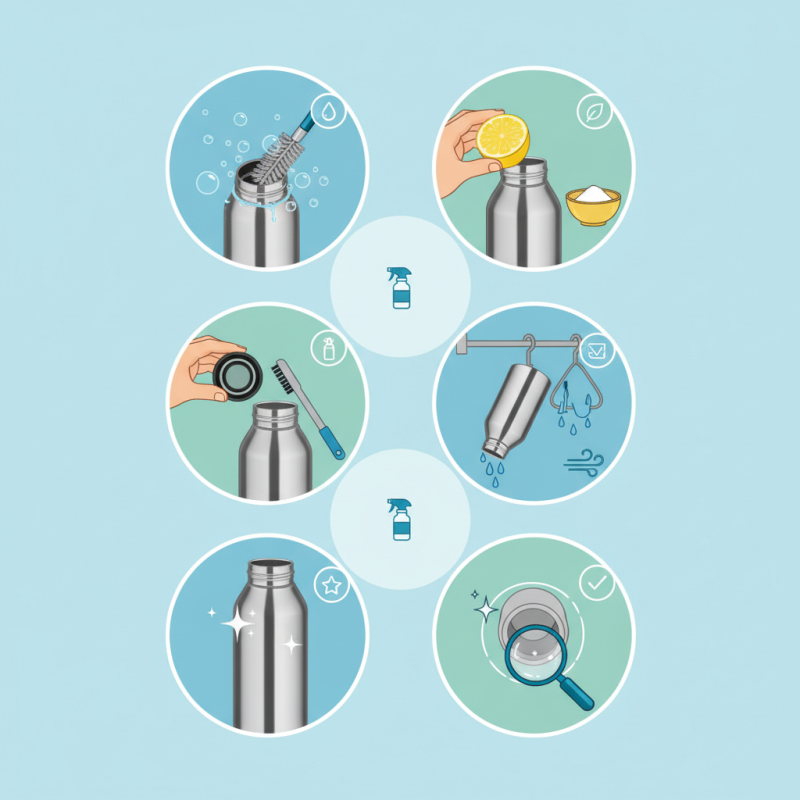
When it comes to cleaning stainless steel bottles, understanding the significance of proper maintenance is essential. Studies show that stainless steel can harbor bacteria if not cleaned regularly. A report from the International Journal of Environmental Research and Public Health found that unwashed containers can contain up to 60% more harmful bacteria than cleaned ones. This highlights the necessity of consistent sanitation practices to ensure health safety.
Regular cleaning of stainless steel bottles not only prevents microbial growth but also prolongs the container's lifespan. This metal is resilient, but if contaminants are allowed to accumulate, it can lead to unpleasant odors and tastes. For the best results, use mild dish soap and warm water, especially after carrying liquids like smoothies or coffee. A simple vinegar solution can be effective for tougher stains.
Tips:
1. Rinse your bottle daily with warm water.
2. Use a bottle brush for deep cleaning.
3. Avoid harsh abrasives that can scratch the surface and harbor bacteria.
Failing to maintain these bottles can lead to avoidable risks. Being proactive in cleaning creates a safer environment for hydration and overall wellness. Remember, the cleaner the bottle, the better the health benefits it provides.
| Cleaning Method | Materials Needed | Instructions | Frequency |
|---|---|---|---|
| Warm Soapy Water | Mild dish soap, warm water | Fill the bottle with warm soapy water, shake well, and rinse thoroughly. | After each use |
| Vinegar and Baking Soda | White vinegar, baking soda, warm water | Add 1 cup of vinegar and 2 tablespoons of baking soda. Let it fizz, then rinse with warm water. | Every 1-2 weeks |
| Dishwasher Safe | Dishwasher | Place the bottle on the top rack of the dishwasher and run a full cycle. | As needed |
| Hydrogen Peroxide | 3% hydrogen peroxide, water | Fill the bottle with a mixture of equal parts peroxide and water, let sit for 30 minutes, then rinse. | Monthly |
: Regular cleaning prevents bacteria growth and prolongs the bottle's lifespan, ensuring health safety.
You should gather mild soap, warm water, a soft cloth, and a sponge for effective cleaning.
Rinse your bottle daily with warm water to maintain cleanliness and prevent bacteria build-up.
Use baking soda and warm water. Let it sit for several hours before scrubbing again.
Avoid harsh abrasives as they can scratch the surface and create areas for bacteria to grow.
Yes, these areas often harbor bacteria and should be cleaned regularly for safety.
Air drying prevents water spots and keeps your bottle looking pristine; it's an often overlooked step.
Neglecting cleaning can lead to unpleasant odors and harmful bacteria growing in your bottle.
Consistency is key. Regularly assess all parts including caps and straws for cleanliness.
The materials you choose are important. Stick to mild options to avoid damaging the stainless steel.
Cleaning stainless steel bottles properly is essential for maintaining their functionality and longevity. This process begins with understanding the importance of cleanliness, which prevents the buildup of bacteria and unpleasant odors. To effectively clean these bottles, it's crucial to gather the right supplies, including a gentle detergent, a bottle brush, and baking soda for tough stains.
The step-by-step cleaning techniques involve rinsing the bottle, applying the cleaning solution, scrubbing with the brush, and thoroughly rinsing again. For stubborn stains and odors, a mixture of vinegar and baking soda can work wonders. Finally, adopting best practices for post-cleaning maintenance, such as regular cleaning and appropriate drying methods, will ensure your stainless steel bottles remain in excellent condition for years to come.

 Calmora Bottle