How to Choose the Best Food Jar for Lunch Options?

Time:2026-06-10 Author:Sophia
0%

Choosing the right food jar for lunch is essential for enjoying healthy meals on the go. Recent studies show that 70% of working professionals prefer to bring homemade lunches, highlighting the growing demand for efficient food storage solutions. Dr. Emily Chen, a nutrition expert, emphasizes that "a well-chosen food jar can make healthy eating much more accessible."

When selecting a food jar, consider its insulation properties, size, and material. Stainless steel options excel at keeping food hot or cold for hours. BPA-free plastics offer lightweight alternatives but may not retain temperature as effectively. It's crucial to assess both usability and durability when thinking about "how to choose a food jar for lunch."

Many brands frequently fall short on user expectations. Evaluation of customer reviews reveals that some jars leak or fail to insulate well. Understanding the balance between affordability and quality is necessary. Experts suggest that investing in reliable brands can ultimately save time and money. Thus, careful consideration during the selection process is highly advised.
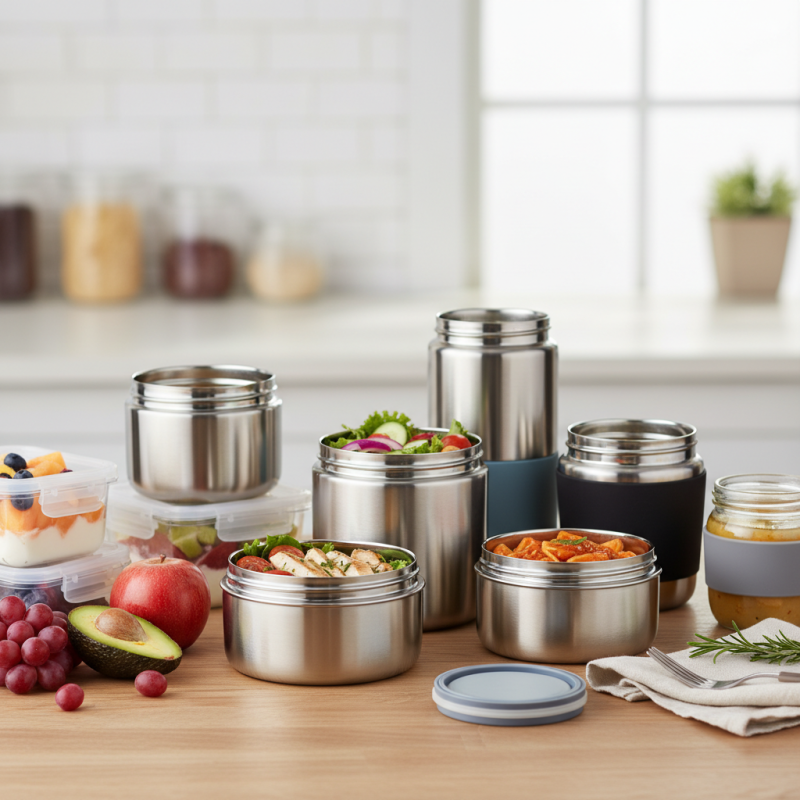
How to Choose the Best Food Jar for Lunch Options?

Understanding Different Types of Food Jars for Lunch

Choosing a food jar for lunch involves understanding different types available in the market. Insulated jars are popular for keeping food hot or cold. According to a recent industry report, over 60% of consumers prefer insulated options for their ability to maintain temperature for several hours. These jars often use vacuum sealing technology, enhancing heat retention.

Another type is the stainless steel jar, known for its durability. These jars can withstand heavy use and resist rust, which is crucial for daily lunches. However, some users noted that stainless steel can impart a slight metallic taste to food. A study showed that 30% of users experienced taste alteration with metal containers. This feedback illustrates the importance of personal preference in selecting the right material.

Lastly, glass food jars provide a non-reactive surface for foods. They do not retain odors or stains. However, glass jars are heavier and more fragile than others. Users have reported breakage as a common concern. This brings awareness to the practical aspects of carrying food jars daily. Balancing quality and personal needs can be challenging yet rewarding.

Key Features to Consider When Choosing a Food Jar

When choosing a food jar for lunch, several key features are essential. First, consider insulation. A good food jar should keep your food hot or cold for hours. Look for double-walled vacuum insulation. This design enhances thermal efficiency. It prevents heat transfer and maintains your food’s ideal temperature.

Another important feature is material. Stainless steel is a popular choice. It's durable and resistant to rust. Some jars also have BPA-free plastic lids, ensuring safety. You want a jar that is easy to clean, too. A wide mouth design makes filling and cleaning simple.

**Tips**: Always check the lid seal. A loose lid means spills. Look for a food jar that is easy to carry. Is it lightweight? Can you fit it in your bag? Comfort matters.

Don’t forget about size options. A smaller jar is great for snacks or sides. A larger one suits hearty meals. Choose based on your typical lunch portion. Remember, getting the right fit for you can be a trial and error process. Consider how often you'll use it. A jar that meets your needs today may not tomorrow.

Comparison of Key Features in Food Jars

This chart illustrates the comparison of key features in food jars that consumers typically consider when selecting a food jar for their lunch options. The categories include Insulation, Material, Size, Ease of Cleaning, and Price Range.

Material Options: Stainless Steel vs Plastic for Food Jars

When choosing a food jar, material plays a key role in functionality and safety. Stainless steel jars offer excellent insulation. They keep foods hot or cold for hours. Also, they are durable and resistant to damage. However, they can be heavier than plastic options. If you're carrying your lunch daily, weight might be a concern.

Plastic jars, on the other hand, are lightweight and often more affordable. They come in various colors and designs, making them appealing for kids and adults alike. Nevertheless, some plastics can retain odors or stains over time. It's important to select BPA-free options to avoid chemical leaching. While plastic jars are convenient, their lifespan is often shorter than that of stainless steel ones.

Ultimately, both materials have their pros and cons. Think about your specific needs. Do you need durability or lightweight convenience? Consider how often you might replace your jars. Reflecting on these factors will help you make an informed choice.

Size and Capacity: Finding the Right Fit for Your Lunch Needs

Choosing the right food jar for your lunch is crucial. Size and capacity are key aspects to consider. If you pack a large salad, you will need a bigger jar. Conversely, a small soup needs less space. A jar that matches your meal size ensures the food stays fresh and intact.

Think about your typical lunch. If it's a hearty meal, aim for a larger jar. One that holds at least 16 ounces is often ideal. For snacks or smaller sides, a 10-ounce jar may suffice. The fit should feel comfortable in your bag without taking up too much room. You may want to experiment with various sizes.

It's common to underestimate how much food you need. Sometimes, packing too little can lead to hunger later in the day. On the other hand, overpacking can create an awkward and heavy experience. Reflect on your lunch habits and adjust accordingly. The right size enhances your lunch experience, making each meal enjoyable.

Insulation Performance: How to Keep Your Food Hot or Cold

When selecting a food jar, insulation performance is crucial. A well-insulated jar can maintain temperatures for hours. According to industry data, effective insulation can keep food hot for six hours or cold for over eight hours. This is particularly important for those carrying meals or snacks to work or school. Many people overlook the material used in insulation. Stainless steel often provides better durability and heat retention compared to plastic options.

Understanding the types of insulation is key. Vacuum insulation, for example, uses a double-wall design to minimize temperature transfer. This method outperforms single-wall jars. A report by the Thermal Insulation Association outlines that vacuum insulated options can reduce energy loss by up to 50%. However, not all vacuum-insulated jars are created equal; some may fail to maintain temperatures over long periods, especially those with subpar seals.

Consider size and portability as well. A larger jar might hold more food but can be cumbersome to carry. Sometimes, a smaller jar is more practical for everyday use. Users often find that maintaining food temperature can be inconsistent, leading to lunches that are either lukewarm or too cold. It’s essential to balance capacity with insulation efficiency for optimal performance.

How to Choose the Best Food Jar for Lunch Options? - Insulation Performance: How to Keep Your Food Hot or Cold

Food Jar Type Insulation Type Capacity (Liters) Heat Retention (Hours) Cold Retention (Hours) Weight (grams)
Stainless Steel Jar Double Wall Insulation 0.5 6 5 300
Plastic Food Jar Foam Insulation 0.7 5 4 250
Vacuum Insulated Jar Vacuum Insulation 0.6 8 6 350
Glass Food Jar No Insulation 0.4 2 2 200
Ceramic Food Jar Moderate Insulation 0.5 4 3 400

FAQS

: What should I look for in a food jar for insulation?

: Choose a jar with double-walled vacuum insulation. It keeps food hot or cold for hours.

Is material important when selecting a food jar?

Yes, stainless steel is durable and offers better insulation than plastic.

How can I ensure my food jar is safe?

Look for BPA-free plastic lids. Ensure that the material does not leach chemicals.

What size food jar should I choose?

Opt for a size based on your typical portions. A smaller jar suits snacks, while larger ones fit meals.

How does lid seal affect a food jar?

A loose lid can lead to spills. Ensure the lid seals tightly for better performance.

Are plastic jars easier to carry than stainless steel?

Yes, plastic jars are lightweight. However, they may retain odors and stains over time.

What are some common issues with insulation efficiency?

Some jars may not maintain temperatures well. Users often face lukewarm or cold meals.

How often should I replace my food jars?

It varies by usage. Reflect on your needs and durability when deciding to replace them.

What's a key factor in cleaning a food jar?

A wide mouth design is easier to clean and fill. It saves hassle during meal prep.

How do I balance capacity with portability?

Larger jars hold more food but can be heavy. Sometimes, a smaller, lighter jar is more practical.

Conclusion

When considering how to choose a food jar for lunch, it's essential to understand the different types available. Food jars come in various designs and materials, with stainless steel and plastic being the most common. Each material has its pros and cons regarding durability, insulation, and weight, which are crucial factors to consider. Additionally, the size and capacity of the food jar should align with your lunch needs to ensure you have enough space for your meals without excess bulk.

Key features such as insulation performance are also vital; effective insulation keeps food hot or cold as needed, enhancing your lunch experience. By evaluating these elements, you can select a food jar that meets your preferences and lifestyle, ensuring that your meals remain fresh and enjoyable throughout the day.

Sophia

Sophia

Sophia is a dedicated marketing professional with an exceptional depth of knowledge about her company's products and services. With a keen understanding of market trends and customer needs, she crafts insightful blog posts that not only inform but also engage readers, enriching the company’s online......