How to Choose the Best Water Bottle for Daily Use Tips?

Time:2026-07-23 Author:Liam
0%

Choosing the right water bottle for daily use can be daunting. With so many options available, it’s easy to feel overwhelmed. As Leslie Stinson, a hydration expert, puts it, “A water bottle should be as reliable as your daily routine.” Her insight highlights the importance of making an informed choice.

When considering how to choose the right water bottle for daily use, think about your lifestyle. Do you need something lightweight and portable? Perhaps you prefer a sturdy option for outdoor activities. Material matters too; stainless steel offers durability, while plastic may be lighter but could retain odors. Reflect on how often you’ll clean your bottle; some designs are easier to maintain than others.

Remember, personal preferences play a key role. A bottle that works for one person may not suit another. It’s essential to assess your needs carefully. Test different models if possible. This can lead to discovering what feels good in your hand or fits best in your bag. Choosing the right water bottle is more than a simple decision; it’s about finding an item that enhances your daily hydration habits.
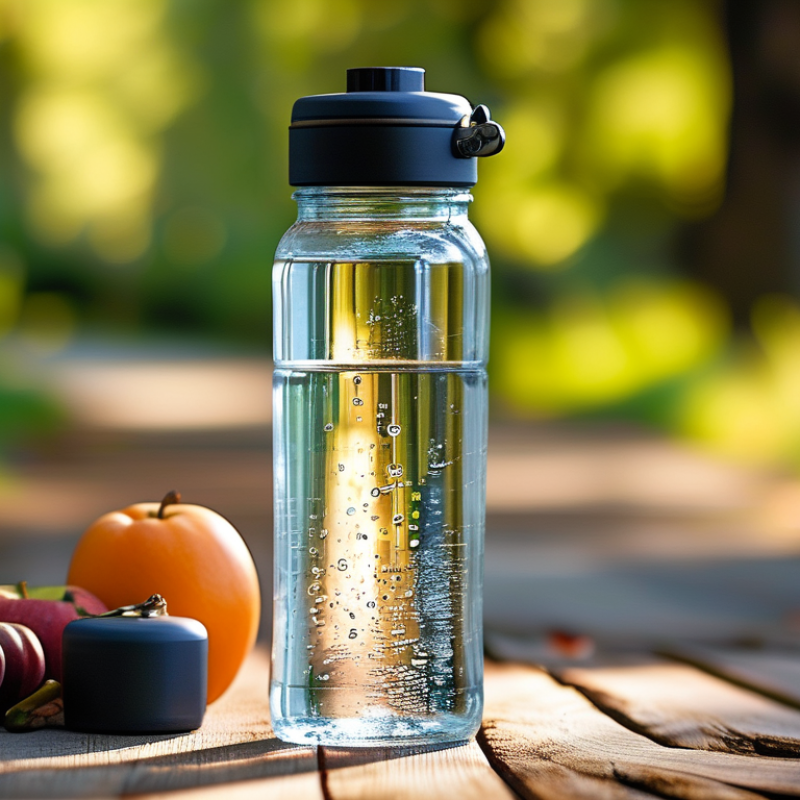
How to Choose the Best Water Bottle for Daily Use Tips?

Understanding Different Water Bottle Materials and Their Benefits

When choosing a water bottle, the material plays a crucial role. Stainless steel is a popular option. It's durable and resistant to rust. Plus, most stainless steel bottles keep drinks hot or cold for long periods. However, they can be heavier than other types. Some users find them less portable.

Plastic water bottles are lightweight. They are often less expensive and come in various colors. But, they can retain odors and flavors over time. Some plastics may leach chemicals into your drink. This factor raises concerns about long-term use. Always check for BPA-free labels to ensure safety.

Glass bottles are another choice. They are stylish, and they do not alter the taste of water. However, glass can break easily, which may not be ideal for active users. Each material has its pros and cons. Your choice should reflect your lifestyle and needs.

How to Choose the Best Water Bottle for Daily Use Tips

Material Benefits Durability Weight Price Range
Stainless Steel Durable, good insulation, resistant to corrosion Very High Medium $15 - $40
Plastic (BPA-free) Lightweight, affordable, variety of designs Low to Medium Light $5 - $25
Glass Non-toxic, doesn’t retain flavors, easy to clean Medium Heavy $10 - $35
Aluminum Lightweight, durable, often lined to prevent metal taste Medium to High Light $10 - $30

Evaluating Insulation Performance: Bottled Water Temperature Retention

When it comes to choosing a water bottle, insulation performance is key. A well-insulated bottle can keep your drinks cold or hot for hours. This feature is crucial for daily use. Think about your routine. Do you need cold water during workouts or hot tea for morning commutes? Consider how long you'll be away from a refrigerator or microwave.

Not all bottles are created equal in terms of insulation. Look for double-walled designs that trap air. They help maintain your drink's temperature. Pay attention to the material as well. Stainless steel often offers better insulation than plastic. You might find that heavier bottles retain temperatures for longer. However, weigh the convenience of portability against this factor.

Testing various bottles is important. Fill one with ice and check how long the ice lasts. You may be surprised by the results. Many bottles claim excellent performance, but that isn’t always the case. Experience shows that consistent use reveals the truth. A bottle may perform well initially but falter over time. Pay attention to these details to find a reliable option for your needs.

Water Bottle Insulation Performance Comparison

Importance of Size and Capacity in Daily Water Intake Needs

Choosing the right water bottle involves understanding size and capacity. Hydration is essential for overall health. The average adult needs about 2 to 3 liters of water daily, according to the National Academies of Sciences. This requirement can vary based on activity level and climate.

A smaller bottle, typically around 500ml, may not meet daily needs for an active person. Many people fall short of their hydration goals because their bottles are too small. In contrast, a larger bottle, like a 1-liter model, encourages more frequent sipping. Studies show that individuals using these larger bottles often drink more water throughout the day.

However, carrying a heavy bottle could become cumbersome. It is important to consider your lifestyle. If you're commuting or exercising, a larger bottle might weigh you down. On the flip side, smaller bottles can be easier to manage but may lead to constant refilling. Striking the right balance is the key to maintaining good hydration habits.

Assessing User-Friendliness Features: Caps, Straps, and Cleaning

When selecting a water bottle for daily use, user-friendliness features are vital. Caps are one of the most important elements. A secure lid prevents spills. However, many struggle with tight caps when opening. It's essential to find a balance between a snug fit and easy access. Consider flip-top or straw options for quick sips. These designs enhance convenience, especially when you’re on the go.


Straps are another practical feature. They add portability and prevent drops. A wrist strap or carabiner can make a big difference, ensuring you won’t lose your bottle during hikes or workouts. Yet, not every strap is comfortable. Pay attention to how it feels when carrying. Does it dig into your skin? Is it easy to adjust? These factors can affect your overall experience.


Cleaning should never be overlooked. A bottle with a wide mouth typically allows for easier cleaning. But some users find these bulkier and less portable. It’s a trade-off worth considering. Many bottles come with cleaning brushes, which can help. However, the need for extra tools may add to the frustration. Ultimately, choose what makes your daily hydration easier, even if some features aren't perfect.

Environmental Impact: Choosing BPA-Free and Reusable Options

Selecting a water bottle for daily use involves consideration for both practicality and environmental impact. Choosing BPA-free bottles is crucial to safeguard your health. BPA, or bisphenol A, is a chemical found in many plastics that can seep into beverages. This poses potential health risks over time. Opting for BPA-free options means you are investing in a safer choice.

Reusable water bottles greatly reduce environmental waste. Single-use plastic bottles contribute to pollution and landfill overflow. Using a reusable bottle helps minimize your carbon footprint. Look for bottles made from stainless steel or glass, as these materials are more durable and eco-friendly. Many designs offer insulation, keeping drinks cold or hot for hours.

Yet, it's important to acknowledge that not all reusable bottles are equal. Some may still contain harmful chemicals or fail to protect against bacterial growth. Regularly clean your water bottle to avoid contamination. Consider your lifestyle when choosing a bottle. A larger size might mean carrying extra weight, while a compact design may require frequent refills. Striving for a balance between convenience and sustainability is key in making an informed choice.

FAQS

: Why is insulation performance important in a water bottle?

: Insulation performance keeps drinks cold or hot for hours, which is vital for daily use.

What design should I look for in a water bottle?

Double-walled designs trap air, helping to maintain temperature effectively.

Which material offers better insulation?

Stainless steel often provides superior insulation compared to plastic options.

How can I test a water bottle's insulation?

Fill it with ice and check how long the ice lasts to gauge performance.

What size water bottle should I choose?

A 1-liter bottle is ideal for most adults, as it encourages increased water intake.

Can I carry a larger bottle easily?

Larger bottles can be cumbersome, especially if you're commuting or exercising.

Why do smaller bottles often fall short?

They may not meet daily hydration needs for active individuals during the day.

How do lifestyle habits affect bottle choice?

Consider your daily routine; balance weight and capacity for effective hydration.

What happens to bottles over time?

Some bottles may perform well initially but may not retain temperatures over time.

Is frequent refilling with a small bottle a problem?

Yes, it can disrupt hydration habits if you constantly need to refill your smaller bottle.

Conclusion

Choosing the right water bottle for daily use involves several key considerations to ensure it meets your needs effectively. First, understanding different water bottle materials, such as plastic, stainless steel, and glass, allows you to select one that aligns with your lifestyle and preferences. Additionally, evaluating insulation performance is crucial, as it affects how well your bottle retains the temperature of the beverage—keeping drinks cold or hot as desired.

Moreover, assessing the size and capacity of the bottle is important to ensure it accommodates your daily water intake without frequent refills. User-friendly features like caps, straps, and ease of cleaning can greatly enhance functionality, making the bottle more convenient for everyday use. Lastly, opting for BPA-free and reusable options helps minimize environmental impact while promoting healthier drinking habits. By considering these factors, you can make an informed decision on how to choose the right water bottle for daily use.

Liam

Liam

Liam is a dedicated marketing professional with a profound expertise in the industry, where he excels at highlighting the unique advantages of our core products. With a keen understanding of market trends and consumer needs, Liam frequently updates our company’s professional blog, providing......