Choosing the right material for drinkware can significantly impact our daily experiences. Many people ask, "what is the best material for drinkware?" According to a 2022 report by the Beverage Industry Association, over 75% of consumers prefer drinkware made from environmentally friendly materials. This trend highlights the growing awareness of sustainability.
Materials like stainless steel, glass, and BPA-free plastics each have their benefits. Stainless steel offers durability and insulation. Glass can enhance the drinking experience, yet it might break easily. BPA-free plastics are lightweight, but some consumers question their long-term safety. These factors can complicate decisions about what to choose.
Experts suggest evaluating personal needs and preferences when selecting drinkware. Is portability essential? Do you prefer an insulated option? Research shows that 68% of consumers value functionality over aesthetics. Therefore, while there's no one-size-fits-all answer, understanding material properties is crucial for making informed choices.
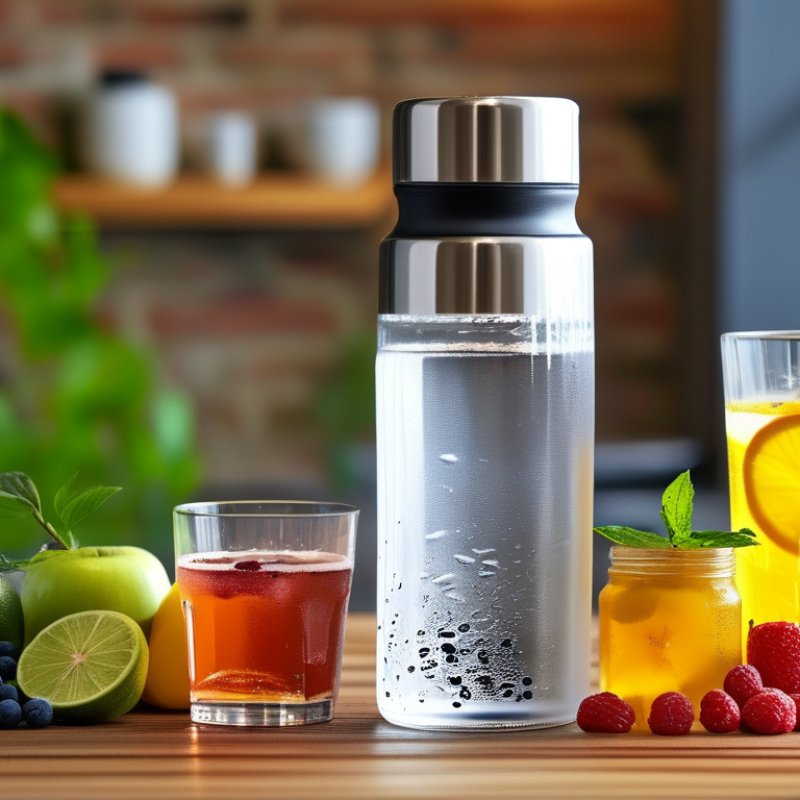
Understanding Different Materials Used in Drinkware
When selecting the ideal material for drinkware, understanding the variances among materials is crucial. Materials like
glass, stainless steel, and plastic each have unique attributes.
For instance, a report from the Beverage Marketing Corporation indicates that stainless steel's popularity has surged,
with a 35% increase in use over three years. This material offers
durability and insulation, making it suitable for both hot and cold beverages.
Glass is often favored for its aesthetic appeal. It does not leach chemicals
and can be an excellent choice for health-conscious consumers. However, its fragility poses a risk in active
lifestyles or outdoor settings. About 20% of consumers express concerns about the
weight of glass in travel situations. On the other hand, plastic remains
lightweight and budget-friendly. Still, the environmental impact of single-use plastics cannot be overlooked, leading
many to seek sustainable alternatives.
When reflecting on these choices, one must weigh personal needs against environmental and
health considerations. The ideal material deeply depends on usage scenarios and lifestyle preferences.
Making an informed choice can lead to better daily experiences and a greater sense of responsibility.
Comparing Thermal Insulation Properties of Drinkware Materials
When it comes to drinkware, thermal insulation is a key factor. Materials like
stainless steel, glass, and
plastic each offer distinct thermal properties. For instance,
stainless steel is favored for its strong insulation performance. According to a
2021 study by the Journal of Food Science, it can
maintain beverage temperature for over 12 hours. This is particularly useful for long
hikes or road trips.
On the other hand, glass provides a different experience. It is generally less
insulating than stainless steel. However, it does not impart any flavor to the drink. A
research article from the American Chemical Society
in 2020 indicated that glass can keep drinks cold for about 4 hours. For consumers
seeking a pure taste, this could be a vital consideration.
Plastic, while lightweight and convenient, falls short in thermal retention. A 2022 report by Consumer Reports highlighted that plastic drinkware
generally only retains heat for about 1-2 hours. This requires frequent refills. Each
material brings its own set of advantages and drawbacks, making the choice complex and sometimes
personal. The effectiveness of insulation can depend on various factors, including ambient temperature
and beverage type. Taking time to evaluate these characteristics ensures a more satisfying drinkware choice.
Assessing Durability and Longevity of Drinkware Materials
When assessing the durability and longevity of drinkware materials, several key factors come into play. Various studies highlight that stainless steel drinkware can last over a decade with proper care. It resists rust and denting, making it a popular choice. However, its weight can be a drawback for outdoor enthusiasts looking for lightweight options.
On the other hand, plastic drinkware, while often cheaper and lighter, generally has a shorter lifespan. Research indicates that BPA-free plastics may degrade over time, especially when exposed to heat. This leads to potential safety concerns and environmental impacts. Glass can offer a more sustainable option. While fragile, high-quality glassware can last indefinitely if unbroken.
Choosing the right material also involves personal use cases. For instance, athletes may prefer lightweight materials, while families might lean toward break-resistant options. These decisions require careful consideration of durability against everyday wear and tear. Understanding these nuances is crucial for making informed choices in drinkware selection.
Evaluating Safety and Health Considerations for Drinkware Materials
When selecting drinkware materials, safety and health considerations are paramount.
Materials like stainless steel, glass, and BPA-free plastic are popular choices.
Each of these materials has unique properties that influence their safety.
Stainless steel is durable and resistant to corrosion. However, certain grades may leach metals if used improperly.
Glass is non-reactive and doesn't harbor bacteria, but it can break easily.
BPA-free plastics reduce the risk of chemical leaching but may still contain other harmful substances.
Evaluating materials based on health risks is essential. Look for certifications indicating safety compliance.
Understanding how materials interact with beverages is critical. For instance, acidic drinks can erode certain plastics, leading to potential contamination.
Reusable drinkware can also accumulate bacteria if not cleaned properly.
It’s vital to choose materials that are easy to clean and maintain. Regular inspections should become a habit to ensure ongoing safety.
Consumers often overlook the source of materials. Not all manufacturers prioritize safety standards.
Researching the production process can shed light on potential risks. Choosing the best drinkware material involves balancing safety, functionality, and personal preference.
Each option has practical implications, and being informed is key to making healthier choices.
Analyzing Cost and Sustainability Factors in Drinkware Material Choices
When choosing drinkware, material choice is critical. Cost and sustainability often go hand in hand. Glass and stainless steel are frequently preferred. They are durable, but their production can be costly. Both materials have long lifespans, reducing the need for frequent replacements. However, environmental impacts arise during their creation. Manufacturing glass requires high temperatures, which consume significant energy.
On the other hand, biodegradable materials are emerging. They may be cheaper, but their durability and effectiveness can sometimes be questionable. They might not withstand heat as well as glass or metal. Recyclability varies widely between materials. Many consumers find this aspect confusing. Awareness of what can be recycled is often lacking. This oversight can lead to increased waste.
Investing in sustainable options is a thoughtful approach. However, the upfront costs of eco-friendly materials often pose a challenge. Many opt for lower-cost plastics instead. These choices may seem practical in the short term. Yet, they contribute to long-term environmental issues. Reflecting on the true cost of materials is essential. We must weigh immediate savings against future impacts.
FAQS
: Stainless steel is durable and provides good insulation. It is suitable for hot and cold beverages.
Glass is aesthetically pleasing and does not leach chemicals, making it a popular choice for health-conscious consumers.
Many worry about its weight, especially when traveling. Others are concerned about its fragility in outdoor settings.
Plastic is lightweight and often cheaper than glass or metal. However, its environmental impact is a significant concern.
While they may seem cheaper, their durability and effectiveness can be hit or miss. They often do not perform well under heat.
Their production requires high energy, contributing to environmental impacts. This factor raises questions about long-term sustainability.
Many find recyclability confusing and lack knowledge about what can be recycled, leading to increased waste.
Eco-friendly options often involve higher upfront costs. Lower-cost plastic may seem practical but has long-term environmental consequences.
Consider personal needs, environmental impact, and health factors. Reflecting on these aspects can lead to more responsible choices.
Immediate savings may seem beneficial, but they could contribute to future environmental issues. Awareness is key.
Conclusion
When choosing the best material for drinkware, it's essential to understand the various materials available and their characteristics. Different materials, such as glass, stainless steel, plastic, and ceramic, offer unique advantages and disadvantages. For instance, thermal insulation properties vary significantly—stainless steel tends to provide better insulation compared to glass or plastic, making it ideal for hot beverages.
Durability and longevity are also crucial factors to consider; stainless steel and certain ceramics tend to be more durable than glass and plastic. Additionally, safety and health considerations play a major role, as some materials may leach chemicals or be less hygienic. Lastly, evaluating cost and sustainability is vital; biodegradable options may be lower in price, but their long-term environmental impact should also be weighed. Ultimately, answering the question of "what is the best material for drinkware" requires a careful assessment of these factors to find the most suitable option for individual needs.

 Calmora Bottle