When considering the longevity of reusable water containers, many consumers wonder, "what is the lifespan of stainless steel bottles?" Stainless steel bottles have gained immense popularity for their durability and eco-friendly nature. However, the actual lifespan can vary significantly based on several factors, including usage, maintenance, and construction quality.
On average, a well-maintained stainless steel bottle can last anywhere from 10 to 20 years. This durability stems from the material’s resistance to rust and corrosion. Yet, some factors can shorten this lifespan. For instance, frequent drops can dent the bottle, affecting its insulation properties. Additionally, neglecting proper cleaning may lead to unpleasant odors or bacterial growth.
Ultimately, the lifespan of a stainless steel bottle is a reflection of how it's treated and cared for. While these bottles are a substantial investment, they require responsibility from users. Recognizing the balance between care and usage is essential for maximizing their lifespan.
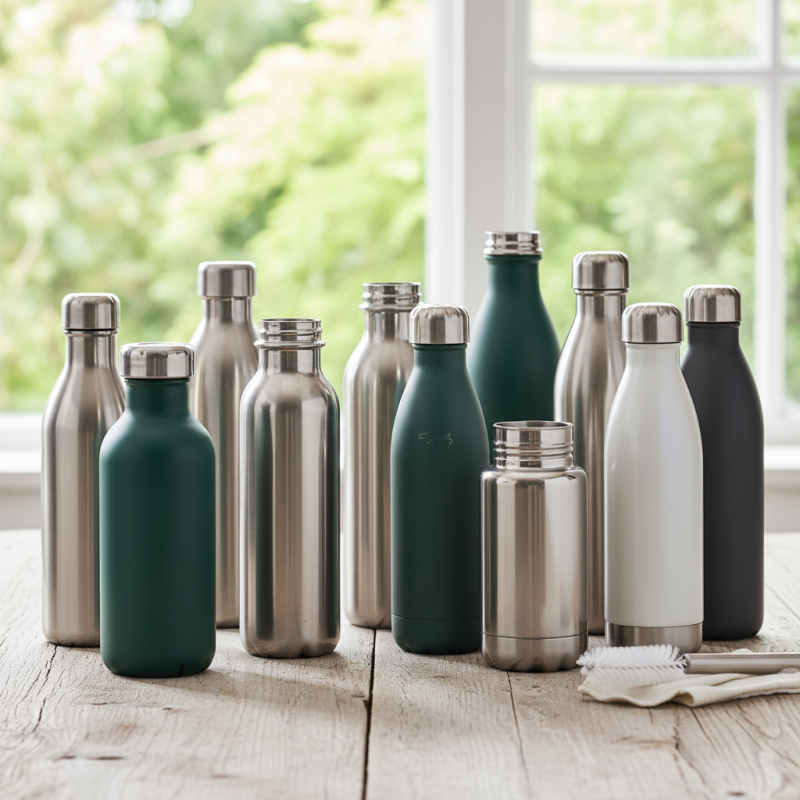
The lifespan of stainless steel bottles is crucial for consumers seeking durability and sustainability. Studies indicate that high-quality stainless steel bottles can last for over a decade. This long lifespan means less waste in landfills compared to plastic alternatives.
Stainless steel is known for its resilience against rust and corrosion. This material's ability to withstand extreme conditions enhances its longevity. However, wear and tear can occur. Not all bottles are created equally. Some may have a lifespan of only a few years due to poor craftsmanship or inferior materials.
**Tips:** Always check the manufacturer's specifications. Look for bottles with double-wall insulation, which typically last longer. Regular maintenance, such as proper cleaning, can also prolong the bottle's life. Consider your usage patterns. Frequent outdoor activities may lead to scratches and dents that affect performance.
Choosing a bottle with a longer lifespan is an environmentally friendly decision. It contributes to reducing single-use plastics. However, many consumers overlook this factor. Reflect on how often you buy new containers. A focus on lifespan encourages better purchasing decisions over time.
When considering the lifespan of stainless steel bottles, several factors come into play. The quality of the materials used in their construction is paramount. High-grade stainless steel offers superior resistance to corrosion and impacts, extending the bottle's life significantly. However, not all stainless steel is created equal. Cheaper variants may not withstand daily use well.
Another critical factor is how the bottle is maintained. Regular cleaning prevents the buildup of bacteria and odors, ensuring that the bottle remains safe for long-term use. Neglect can lead to compromised hygiene and performance. Finally, the bottle's design plays a role. Bottles with double-wall vacuum insulation tend to retain temperature better, reducing the need for replacements. But, designs with flimsy lids can be a weak point, leading to leaks and a shorter lifespan.
User habits also affect durability. Dropping the bottle frequently can cause dents or damage that may not be immediately visible. Over time, these small issues add up, potentially rendering the bottle unusable. Awareness of these factors helps users make informed decisions and maximize the longevity of their stainless steel bottles.
In recent years, stainless steel bottles have surged in popularity across China. Studies indicate that over 70% of consumers prioritize durability and insulation in their choices. A significant factor influencing their lifespan is the quality of the stainless steel used. Premium grade 18/8 stainless steel proves to be more resistant to rust and damage, which extends the bottle’s usability.
Research from the International Bottle Association highlights that commonly used bottles can last anywhere from 5 to 10 years, depending on usage and care. However, many models fall short in insulation performance over time. For example, the vacuum seal can degrade, leading to reduced temperature retention. This decline often goes unnoticed but affects user experience significantly.
Moreover, design elements and lid quality play crucial roles in a bottle’s longevity. Faulty lids may result in leaks, impacting the overall durability. Industry reviews suggest that real-world usage often reveals gaps in manufacturer claims. This inconsistency reflects the need for consumers to conduct thorough research before making a purchase, focusing on warranty and user experiences reported on various platforms.
Proper maintenance can significantly extend the lifespan of your stainless steel bottle. Studies indicate that regular cleaning is crucial. According to the International Stainless Steel Forum, uncleaned bottles can harbor bacteria, potentially leading to health issues. Use mild soap and warm water for routine cleaning. Avoid harsh detergents that might damage the finish.
Storage plays a large role, too. Prolonged exposure to sunlight can degrade the material over time. Store your bottle in cool, shaded areas when not in use. Consider using a protective sleeve for added insulation. Reports suggest that maintaining a stable temperature within the bottle keeps it functional longer.
Be mindful of the cap and sealing mechanisms. These components often wear out first. Regularly inspect for wear and replace them as needed. Even small scratches can impact the efficacy of your bottle. Investing in quality maintenance, such as proper storage and regular checks, can keep your bottle in service for years.
Stainless steel bottles are popular for their durability and environmental benefits. However, they are not immune to common issues that can affect their lifespan. One significant problem is denting. According to a recent industry report, over 30% of users experience surface damages within the first year of use. Dents can compromise insulation and may lead to rusting if the protective finish is damaged.
Another durability concern is rust formation. While stainless steel is resistant, high humidity and improper cleaning can lead to corrosion. A study noted that 15% of stainless steel bottles show signs of rust within two years. To mitigate this, rinse your bottle thoroughly after each use and dry it completely before storage. Using a bottle brush can help reach areas that are tricky to clean.
**Tip 1:** Always choose bottles with food-grade stainless steel to ensure better protection against rust.
**Tip 2:** Regularly inspect your bottle for scratches, as they can harbor bacteria and reduce its lifespan.
**Tip 3:** Avoid dropping your bottle, as impacts can create unseen structural damage, affecting its performance.
This chart illustrates the expected lifespan of various stainless steel bottles. As indicated, the durability can significantly vary between brands, with some reaching up to 12 years under normal usage conditions. Regular maintenance, such as proper cleaning and avoiding extreme temperature changes, can help in enhancing the longevity of these bottles.
: Stainless steel bottles can last between 5 to 10 years with proper care.
The vacuum seal can degrade over time, affecting temperature retention.
Over 30% of users report denting within the first year, impacting insulation.
Rust can form due to high humidity and improper cleaning practices.
Rinse it thoroughly and dry it completely before storage to prevent rust.
Faulty lids can cause leaks, impacting both insulation and overall durability.
Use a bottle brush to reach tricky areas for better cleaning.
Regularly check for scratches and dents, as they can harbor bacteria.
Yes, impacts can create unseen structural damage, affecting performance.
Food-grade stainless steel offers better rust protection and longevity.
The article "China Top 10 Stainless Steel Bottles Lifespan Explained" delves into the significance of understanding what is the lifespan of stainless steel bottles. It emphasizes how various factors, including material quality, usage patterns, and environmental conditions, can influence the durability and longevity of these bottles. A comparative analysis highlights the top 10 stainless steel bottles available in China, providing insights into their lifespan based on user reviews and performance metrics.
Furthermore, the article offers practical maintenance tips to extend the lifespan of your stainless steel bottle. It addresses common durability issues, such as rust and dents, along with effective solutions to mitigate them. By applying these insights and maintenance practices, consumers can ensure their stainless steel bottles remain functional and aesthetically pleasing for an extended period.

Calmora Bottle