China Top 10 Best Drinkware Materials for Global Buyers?

Time:2026-04-29 Author:Mason
0%

In recent years, drinkware has gained significant attention globally. Buyers are increasingly focused on materials that enhance the drinking experience. This brings us to the question: what is the best material for drinkware?

Choosing the right material can be overwhelming. Each type of drinkware offers unique features. Glass, stainless steel, and ceramic are popular choices. However, each material has its pros and cons. For example, glass is elegant but fragile. Stainless steel is durable yet may affect taste. Many consumers face challenges in making informed decisions.

Understanding the best materials is essential for global buyers. What suits one person's needs might not meet another's. Therefore, this article explores the top 10 drinkware materials from China. It aims to guide buyers in making knowledgeable choices. Ultimately, the right material can enhance the overall drinking experience.
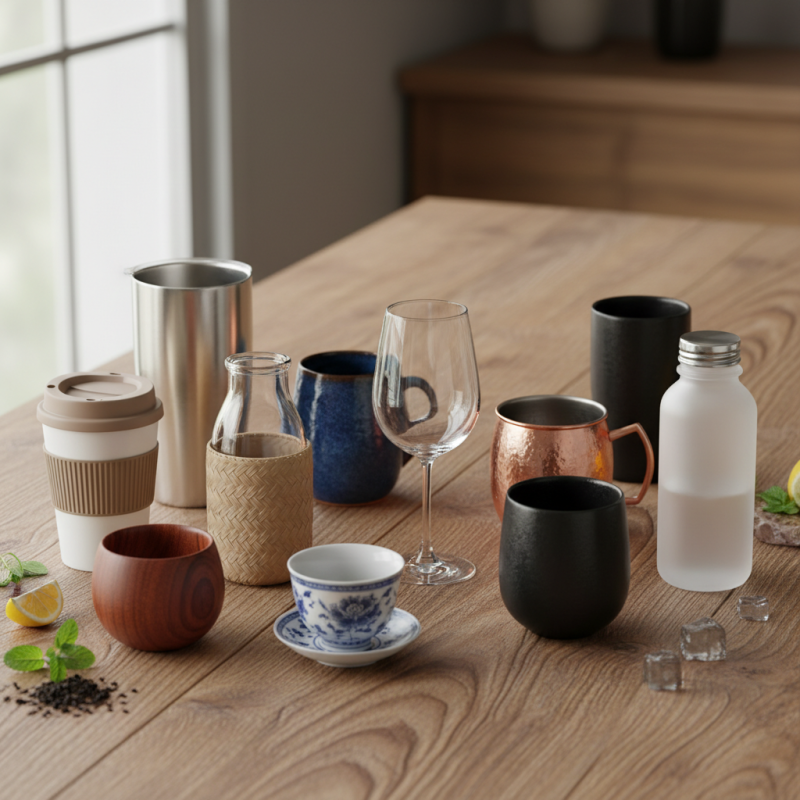
China Top 10 Best Drinkware Materials for Global Buyers?

China's Leading Drinkware Materials: An Overview

When exploring China's leading drinkware materials, it's essential to recognize their diverse applications. Glass, for instance, remains a top choice for many consumers. Its transparency highlights the beverage's color. However, glass is fragile and can easily break. While it offers a premium feel, it may not be suitable for all environments.

Another popular material is stainless steel. Known for its durability, it resists rust and maintains beverage temperatures. Many outdoor enthusiasts prefer it for travel. Nevertheless, its manufacturing process can be energy-intensive, raising sustainability concerns. Bamboo as a material presents an eco-friendly alternative, though it may not withstand heat as well as other options.

Plastic drinkware is widely accessible, being lightweight and versatile. Yet, there are issues regarding its longevity and environmental impact. While BPA-free products are available, there’s still skepticism about safety. Ceramic options are favored for their aesthetic appeal and thermal properties. However, they can be heavy and prone to chipping. Balancing function and design is crucial in drinkware selection.

China Top 10 Best Drinkware Materials for Global Buyers

This chart showcases the popularity index of the top 10 drinkware materials preferred in China by global buyers, reflecting current market trends in drinkware manufacturing.

Pros and Cons of Glass Drinkware in Global Markets

Glass drinkware holds a unique position in the global market. It attracts consumers with its elegance and transparency. However, it is essential to weigh its pros and cons before making a purchase.

One major advantage of glass drinkware is its non-reactive nature. It does not impart flavors or chemicals into beverages. This makes it an excellent choice for wine connoisseurs and those who appreciate the purity of taste. The aesthetic appeal of glass can elevate any dining experience, adding a touch of sophistication. Yet, glassware is fragile. A single drop can lead to shattering, which raises safety concerns, especially in households with children.

TIP: Choose tempered glass options for added durability. They withstand both heat and cold better than standard glass.

Another consideration is the weight of glass drinkware. It can be heavier than plastic alternatives, potentially making it less convenient for some users. While eco-friendly, glass requires careful handling and storage. For those who travel frequently or host outdoor events, durability may outweigh aesthetic enjoyment.

TIP: Invest in protective sleeves or cases for travel. This will help prevent breakage while ensuring beautiful presentation at gatherings.

Understanding these aspects is crucial for buyers. Glass drinkware can indeed enhance enjoyment, but it also demands careful thought and consideration regarding daily use.

China Top 10 Best Drinkware Materials for Global Buyers - Pros and Cons of Glass Drinkware in Global Markets

Material Pros Cons Market Trend
Glass Eco-friendly, aesthetic appeal, preserves taste. Breakable, heavy, higher production costs. Growing demand for sustainable and stylish options.
Plastic Lightweight, inexpensive, durable. Can leach chemicals, less eco-friendly. Demand for BPA-free products is increasing.
Stainless Steel Durable, reusable, does not retain flavors. Higher cost, can dent or scratch. Increasing popularity for travel and outdoor use.
Ceramic Stylish designs, flavor-neutral. Breakable, can be heavy. Regaining popularity in home and café settings.
Bamboo Biodegradable, unique look. May not be durable, limited designs available. Growing interest in environmentally-friendly products.
Silicone Flexible, lightweight, easy to clean. Perceived as less premium, potential for odor retention. Increasing use in children’s products and travel mugs.
Titanium Highly durable, lightweight, temperature resistant. Very expensive, limited designs. Niche market with focus on high-performance enthusiasts.
Copper Good thermal conductivity, health benefits. Requires maintenance to avoid tarnishing. Gaining traction for both aesthetic and functional use.
Anthracite Innovative, very eco-friendly. Less known, limited production capability. Exploration in niche markets around sustainability.

Benefits of Stainless Steel Drinkware for Buyers Worldwide

Stainless steel drinkware has surged in popularity among global buyers. This material offers numerous advantages that appeal to a wide audience. It is durable, rust-resistant, and can withstand extreme temperatures. Whether you're drinking hot coffee or cold water, stainless steel maintains the beverage's temperature for longer.


Many choose stainless steel drinkware for its environmentally friendly qualities. Unlike single-use plastic, these products are reusable and promote sustainability. This appeal aligns with the growing global movement towards eco-conscious living. Buyers appreciate the idea of reducing their carbon footprint while enjoying high-quality products.


However, buyers must be aware that not all stainless steel is created equal. The quality of the material can vary, and some may contain undesirable alloys. Thorough research is essential to ensure a reliable purchase. Shoppers should consider certifications and the reputation of the manufacturers before making decisions. This level of scrutiny helps ensure that the investment is both sensible and sound.

Exploring the Popularity of BPA-Free Plastic Drinkware

The surge in popularity of BPA-free plastic drinkware reflects a growing consumer awareness of health and safety issues. According to recent surveys, over 70% of consumers now prefer BPA-free options. This trend indicates a significant shift in consumer preferences toward safer materials. BPA, or Bisphenol A, is a chemical linked to various health concerns, prompting many buyers to seek alternatives.

Additionally, the global drinkware market is expected to grow at a CAGR of 4.5% from 2023 to 2028. This growth is largely driven by the increased demand for sustainable and safe drinking solutions. BPA-free plastics not only address safety concerns but also offer a lightweight and durable option for consumers. Studies suggest that approximately 60% of families with children actively choose BPA-free products to reduce health risks.

Challenges remain, however, as some BPA-free alternatives can leach other harmful chemicals. Ongoing research on the long-term effects of these substitutes is crucial. Buyers often grapple with balancing safety and performance in their drinkware choices. Continuous education on material safety will remain essential for informed consumer decisions in the future.

Eco-Friendly Drinkware: Materials and Trends in China

China's drinkware market is evolving with a focus on eco-friendly materials. As global buyers seek sustainable options, various innovative materials are taking center stage. Bamboo, for instance, is a popular choice. It is biodegradable and lightweight, contributing to sustainability. Glass is also making a strong comeback. Its recyclability and inert nature make it safe for many beverages.

Recycled plastics are gaining traction too. Brands are increasingly using post-consumer waste to create functional drinkware. This approach not only reduces waste but also offers a unique aesthetic. However, quality control remains a challenge in this area. Consumers often encounter inconsistencies in product durability and performance.

Ceramic, known for its versatility, is favored for its aesthetic appeal. It can enhance beverages with artistic designs. Yet, ceramic drinkware can be heavier, which is a drawback for some consumers. The demand for natural materials highlights a growing trend towards minimalistic and sustainable designs. There will always be a tension between convenience and eco-friendliness. Buyers must balance their values with practical needs.

FAQS

: What are the main advantages of glass drinkware?

: Glass drinkware is non-reactive, doesn't alter flavors, and adds elegance to dining experiences.

Are there any drawbacks to using glass drinkware?

Yes, glass is fragile, heavy, and can break easily, especially in homes with children.

What should I consider when choosing drinkware for outdoor activities?

Durability is key for outdoor events as well as materials like stainless steel or bamboo for eco-friendliness.

How does stainless steel compare to other materials?

Stainless steel is durable and rust-resistant but its production can be energy-intensive, impacting sustainability.

Is plastic drinkware a safe choice?

While BPA-free options exist, concerns about longevity and environmental effects remain with plastic drinkware.

What are the thermal properties of ceramic drinkware?

Ceramic drinkware retains heat well but can be heavy and prone to chipping.

How can I protect glass drinkware during travel?

Investing in protective sleeves or cases can prevent breakage while maintaining appearance at gatherings.

Is bamboo a good alternative for drinkware?

Bamboo is eco-friendly but may not handle heat well compared to other materials.

How does the weight of glass drinkware affect its use?

Heavier than plastic, glass can be less convenient for some users, especially for frequent travel.

What considerations are important for drinkware selection?

Balance functionality with design, considering safety, durability, and personal taste preferences.

Conclusion

This article explores the top drinkware materials available in China, providing insights for global buyers on what is the best material for drinkware. It begins with an overview of China's leading drinkware materials, highlighting their unique characteristics and trends in the market.

The pros and cons of glass drinkware are examined, noting its aesthetic appeal and recyclability, while also addressing potential fragility concerns. Additionally, the article delves into stainless steel drinkware, emphasizing its durability and benefits for buyers who prioritize longevity and insulation. The growing popularity of BPA-free plastic drinkware is also discussed, focusing on safety and convenience. Finally, the article emphasizes eco-friendly trends and sustainable materials, showcasing China’s commitment to meeting the demands of environmentally conscious consumers.

Mason

Mason

Mason is a seasoned marketing professional with a deep expertise in the company's offerings and a passion for driving brand awareness. With a strong background in digital marketing strategies, he has an innate ability to connect with diverse audiences and effectively communicate product benefits.......