Selecting the right bottle for keeping drinks cold can be challenging. For global buyers, the question often arises: "which bottle keeps drinks cold the longest?" According to Dr. Emily Carter, a renowned expert in thermal insulation, “The technology behind insulated bottles can significantly impact performance.” This insight highlights the importance of understanding product specifications.
Many consumers overlook key features such as materials and design. Insulated bottles vary widely in their ability to maintain cold temperatures. Some brands claim exceptional performance but fail to deliver. While some bottles have double-walled vacuum insulation, others might use less effective designs.
Dr. Carter emphasizes that not all listed features guarantee superior performance. This inconsistency can lead to disappointment for users. It’s essential for buyers to research and compare products. Ultimately, finding a bottle that meets personal needs may require some trial and error. Reflecting on product effectiveness can enhance the drinking experience.
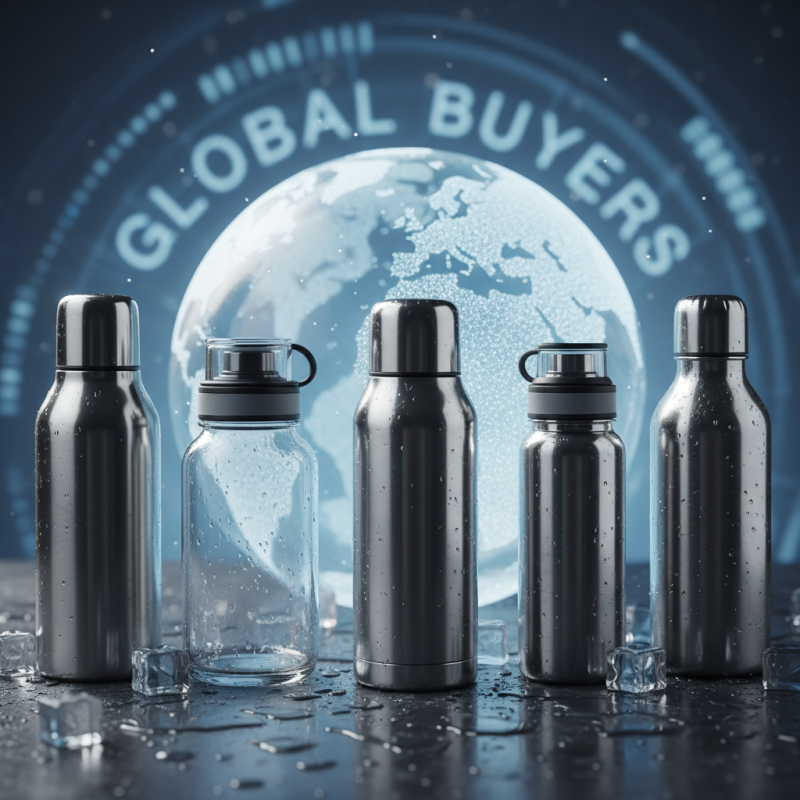
Factors Influencing Insulation Efficiency in Drink Bottles
When considering the insulation efficiency of drink bottles, several key factors come into play. The material choice significantly affects thermal performance. Stainless steel bottles, for example, often outperform plastic ones in retaining cold temperatures. A recent study found that double-walled vacuum insulation can maintain temperature for hours, but the quality of the seal also matters.
Another important aspect is the bottle design. A wider mouth allows for easier filling but may compromise insulation. A narrow opening helps maintain temperature longer, as less warm air enters when drinking. Additionally, the surface texture can influence heat transfer rates. Bottles with insulated coatings tend to perform better.
Research from the Beverage Industry notes that the structure can impact insulation efficiency by up to 30%. Interestingly, consumer preferences often prioritize aesthetics over performance. This can lead to a false sense of quality. Many buyers do not realize that the most visually appealing bottle may not keep their drinks cold as long as needed. This discrepancy highlights the importance of informed choices based on insulation effectiveness rather than design alone.
Comparison of Material Types Used in Cold-keeping Bottles
When comparing materials for cold-keeping bottles, insulation is key.
Stainless steel is often favored due to its excellent thermal retention.
According to a report by the International Journal of Thermal Sciences, stainless steel bottles can maintain cold
temperatures for up to 24 hours. This is crucial for outdoor adventurers who require reliable hydration solutions.
On the other hand, plastic bottles, while lightweight, may not perform as well.
They typically keep drinks cold for about 3 to 5 hours, based on data from Environmental Research Letters.
This variance highlights the importance of material choice. Glass is another option,
providing good insulation but being fragile.
Considering these factors, the decision often boils down to personal needs. Users must reflect on their activities.
Durability versus insulation should guide their choice. Many consumers overlook these
details and later question their product's effectiveness. Understanding the differences can lead to better hydration experiences.
Testing Methods for Evaluating Temperature Retention
When evaluating the effectiveness of bottles in keeping drinks cold, testing methods play a crucial role. Common procedures involve placing ice cubes in a bottle filled with water. The temperature is then monitored at regular intervals. A well-designed bottle should maintain a low temperature for an extended period. Observing how long it takes for the ice to melt provides essential insights.
One tip for consumers is to look for insulated models with double walls. These often provide better temperature retention. Materials like stainless steel can also enhance performance. However, it’s not just about selecting the right bottle. The initial temperature of the drink can significantly impact its cooling journey. A warm beverage will require more time to chill.
Another tip involves pre-chilling the bottle before use. Rinsing it with cold water will create a cooler environment for your drink from the start. While some bottles claim superior performance, individual experiences may vary. What works for one person might not work for another. Engaging with community reviews can offer diverse insights, but it's essential to test them in your routine.
Which Bottle Keeps Drinks Cold the Longest?
Top Brands Reviewed for Long-lasting Cold Performance
When selecting bottles that effectively keep drinks cold, various factors need consideration. Key materials like
stainless steel and specific insulation technologies impact performance. Reports indicate that
double-walled vacuum insulation can maintain temperatures for several hours. In fact, some models can keep beverages chilled for up to
24 hours, according to industry research.
Choosing the right bottle is essential. Look for models that offer robust construction and durability. Buyers should be aware of the design as well; a
wider mouth can help with ice retention while a sleek design enhances portability. Moreover, lids that create a
tight seal are vital. They prevent heat exchange, ensuring that your cold drink stays refreshing.
Tips: Inspect the manufacturer's temperature retention claims. Some labels emphasize time limits—this might reflect ideal conditions. Consider personal use cases, like
hiking versus daily commutes. Each scenario may require a different type of bottle.
Another detail to ponder is cleaning ease. Many insulated bottles require specific care routines to ensure performance longevity. Users have noted
buildup within hard-to-reach areas. Regular maintenance is necessary for optimal temperature control.
User Feedback and Real-world Performance of Insulated Bottles
When it comes to insulated bottles, user feedback plays a vital role. Many users report significant differences in temperature retention. Bottles designed with double-wall technology often outperform others. However, not all models keep drinks cold for the same duration. Some users have expressed disappointment with their bottles losing chill much faster than expected.
Real-world performance varies based on several factors. The ambient temperature affects how long drinks remain cold. Users in hot climates may find that even the best bottles struggle. Some bottles leak, impacting their effectiveness. Reviews often highlight ease of use, such as whether they fit in cup holders or are easily portable. Those features greatly influence user satisfaction.
Material choice also matters. Stainless steel tends to retain temperature better than plastic. However, weight can be a concern for those on the go. Some users prefer lighter options for hiking or traveling. They report that while lighter bottles may not retain cold as well, they offer better convenience. This highlights the ongoing debate between functionality and practicality. Endless experimentation and user reviews help guide buyers. The quest for the ideal insulated bottle continues, revealing inconsistencies along the way.
FAQS
: Stainless steel is often considered the best due to its excellent thermal retention.
They can maintain cold temperatures for up to 24 hours, according to a reliable report.
Plastic bottles usually keep drinks cold for about 3 to 5 hours, which is less effective.
Glass bottles provide good insulation but can be fragile and break easily.
User feedback highlights significant differences in temperature retention among various models.
Factors such as ambient temperature and bottle design can influence how long drinks remain cold.
Yes, lighter bottles may not retain cold as well but are more convenient for travel.
Users often report leaks and difficulty fitting bottles in standard cup holders.
Material choice affects temperature retention and usability, so it should be carefully considered.
They should reflect on their activities and balance durability with insulation needs.
Conclusion
In exploring the question of which bottle keeps drinks cold the longest, several factors play a critical role in determining insulation efficiency. The materials used in the construction of cold-keeping bottles are essential, with different options offering varying levels of thermal performance. Additionally, effective testing methods are necessary to evaluate the temperature retention capabilities of these bottles, ensuring consistent results.
Furthermore, user feedback and real-world performance provide valuable insights into how well these insulated bottles perform over time. By analyzing consumer experiences and comparing top-performing brands, potential buyers can make informed decisions about which bottle best meets their needs for keeping drinks cold, ultimately answering the question of which bottle keeps drinks cold the longest.

 Calmora Bottle