Best Ways to Understand How Vacuum Insulation Works?

Time:2026-05-03 Author:Aria
0%

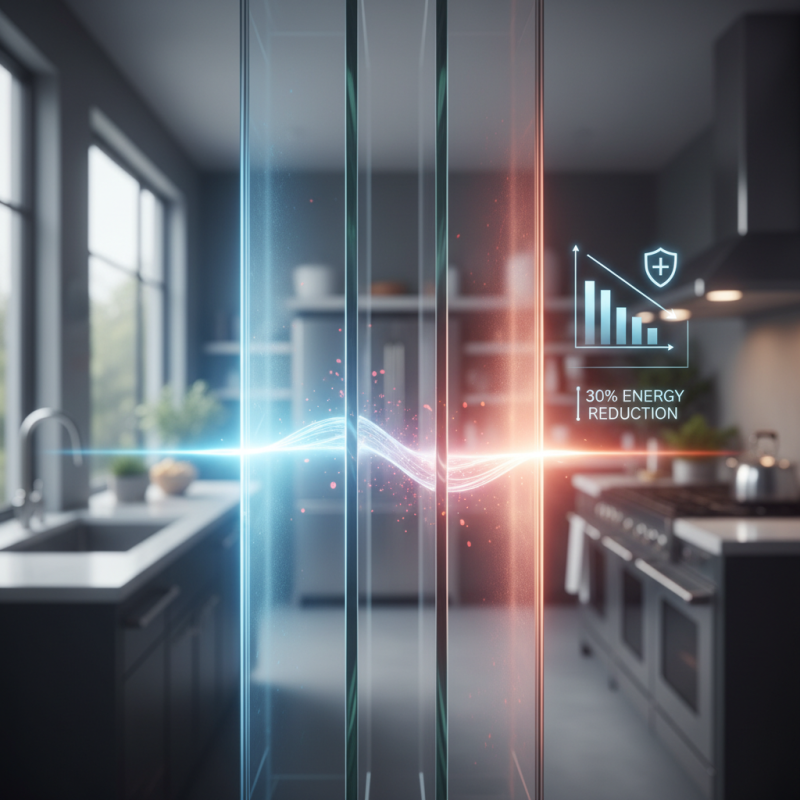
Understanding how vacuum insulation works is essential in today's energy-efficient world. This technology significantly reduces heat transfer, making homes and appliances more energy-efficient. According to a report by the International Energy Agency, proper insulation can cut energy consumption by up to 30%. This statistic highlights the importance of investing in effective insulation solutions.

Dr. Jane Foster, a leading expert in thermal insulation technology, emphasizes, "Vacuum insulation is revolutionizing how we conserve energy." Her work sheds light on the intricacies of this technology. By creating a vacuum between two barriers, vacuum insulation minimizes heat conduction and convection, providing superior thermal resistance.

Despite its advantages, misconceptions about how does vacuum insulation work still exist. Some assume it is similar to traditional insulation methods. However, vacuum insulation offers unmatched performance by eliminating air, which is a key factor in heat transfer. As consumers seek energy-efficient products, understanding this technology becomes crucial for making informed decisions.
Best Ways to Understand How Vacuum Insulation Works?

What is Vacuum Insulation and How Does It Function?

Vacuum insulation is a highly efficient thermal insulation method. It works by creating a void that minimizes heat transfer. This approach significantly reduces energy loss and improves energy efficiency. According to the American Society of Heating, Refrigerating and Air-Conditioning Engineers, vacuum insulation can be up to five times more effective than traditional insulation materials.

In essence, vacuum insulation functions by utilizing the principles of conduction and convection. Without air in the space, there is less opportunity for heat to escape. This technology is widely used in applications such as refrigeration and building insulation. However, it is essential to consider the potential challenges, like fragility and cost. A report by the International Energy Agency highlighted that while vacuum insulation is efficient, its installation and material costs can be higher than other methods.

Additionally, the longevity of vacuum insulation is a concern. Over time, small leaks can develop, compromising its insulating properties. Researchers are continuously working on innovative solutions to mitigate these issues. Understanding these nuances is crucial for anyone interested in this technology. With ongoing advancements, vacuum insulation promises to play a vital role in energy conservation efforts.

The Science Behind Vacuum Insulation: Key Principles Explained

Vacuum insulation is a remarkable technology. It operates on simple yet effective principles. The key lies in creating a vacuum, which is an area devoid of matter. This structure minimizes heat transfer through conduction and convection. When heat cannot easily escape, insulation is much more efficient.

Understanding how it prevents energy loss is vital. A vacuum can significantly reduce thermal conductivity. This means that it helps keep hot things hot and cold things cold. Everyday applications include thermoses, refrigeration, and building materials. This technology may seem complex, but it is fundamentally about limiting heat movement.

Tips: Regularly check your insulated items. Ensure they are free from dents or dents that might compromise the vacuum. Additionally, avoid exposing them to extreme temperature fluctuations. Over time, some vacuum products may lose effectiveness. Make sure to replace them when necessary. Also, educate yourself on proper use for maximum efficiency.

Applications of Vacuum Insulation in Everyday Life

Vacuum insulation is an innovative technology that surrounds products with a vacuum layer, significantly reducing heat transfer. This technology finds numerous applications in everyday life. Consider thermoses or insulated water bottles. They use vacuum insulation to keep beverages hot or cold for hours. The absence of air in the insulation layer reduces heat movement.


Another common application is in refrigeration. Advanced vacuum-insulated panels are used in modern fridges. These panels improve energy efficiency and save on electricity bills. They also help preserve food longer. However, the production of these panels can be challenging. Ensuring optimal vacuum and material quality requires expertise.


Moreover, vacuum insulation is increasingly used in building materials. Insulated glass windows utilize it to create energy-efficient structures. However, while effective, they can be more expensive than traditional options. The balance between cost and efficiency is worth examining. Overall, the growing presence of vacuum insulation reflects its potential benefits and challenges in our daily lives.

Benefits of Using Vacuum Insulation in Various Industries

Vacuum insulation has gained recognition across various industries due to its remarkable benefits. One key advantage is its excellent thermal resistance. It efficiently minimizes heat transfer, keeping contents at stable temperatures. This ability is crucial for industries like food storage and pharmaceuticals, where maintaining specific temperatures is essential for preserving quality.

Moreover, vacuum insulation is lightweight and space-efficient. It allows manufacturers to create thinner products without compromising performance. This is particularly beneficial in the construction industry, where maximizing space can lead to cost savings. By reducing the thickness of insulation materials, builders achieve better energy efficiency in homes and commercial buildings.

Despite its advantages, vacuum insulation can be challenging to implement. It requires specialized techniques. The manufacturing process demands precision to avoid compromising the vacuum seal. Sometimes, initial costs can be higher than traditional insulation methods. However, the long-term energy savings and improved product performance often outweigh these concerns. Understanding these trade-offs is essential for making informed decisions in various applications.

Common Myths and Misconceptions About Vacuum Insulation

Vacuum insulation is often misunderstood. Many believe that all vacuum insulations are the same. Actually, there are different designs and materials involved. This variety affects performance and application. For instance, the thickness of the vacuum layer can significantly impact insulation efficiency.

A common myth is that vacuum insulation doesn’t need any maintenance. While it's true that vacuum insulation is durable, it can be compromised. A small puncture can reduce its effectiveness. Regular checks can help detect issues early.

Tips for effective use: Ensure units are not subjected to extreme pressure. Handle with care to avoid physical damage. Consider the environment where insulation will be used. Extremes in temperature can also affect performance. Don't rely solely on vacuum insulation for long-term solutions. Understanding these nuances helps prevent misconceptions and increases reliability.

Best Ways to Understand How Vacuum Insulation Works? - Common Myths and Misconceptions About Vacuum Insulation

Myth / Misconception Reality Explanation
Vacuum insulation is only effective at low temperatures. Vacuum insulation is effective across a range of temperatures. While it excels in low-temperature applications, it also reduces heat transfer at higher temperatures.
All vacuum insulation is the same. There are various types of vacuum insulation with different materials and designs. The materials used and the construction methods can significantly affect performance and durability.
Vacuum insulation technology is too costly. The long-term savings can outweigh the initial costs. Lower energy bills over time can provide economic benefits that make vacuum insulation a smart investment.
Vacuum insulation is fragile and easily damaged. Modern vacuum insulation materials are designed for durability. Improved manufacturing techniques have made vacuum insulation more robust and resistant to pressure and impacts.
You can't recycle vacuum insulation. Some types of vacuum insulation are recyclable. Technology advancements are making it possible to recycle certain vacuum insulation materials.

FAQS

: What is vacuum insulation?

: Vacuum insulation creates an area without matter. This design reduces heat transfer effectively.

How does vacuum insulation minimize energy loss?

It reduces thermal conductivity. This keeps hot items hot and cold items cold efficiently.

What are some everyday uses of vacuum insulation?

Common applications include thermoses, refrigeration, and building materials. They benefit from reduced heat movement.

Why is vacuum insulation beneficial for food storage?

It maintains stable temperatures, which preserves quality. This is vital in the food and pharmaceutical industries.

Can vacuum insulation products lose effectiveness over time?

Yes, they may lose their vacuum due to wear or damage. Regular checks are important for maintaining performance.

What challenges are associated with implementing vacuum insulation?

It requires precision in manufacturing. Initial costs can be higher than traditional insulation methods.

How does vacuum insulation enhance construction efficiency?

It allows for thinner materials, saving space in buildings. This leads to better energy efficiency and cost savings.

What should I check on my vacuum-insulated products?

Ensure they are free from dents that can affect the vacuum. Regular maintenance can prolong their usefulness.

What happens when vacuum insulation fails?

It can significantly reduce its effectiveness. This can lead to undesired temperature changes in contained items.

Why is learning about vacuum insulation important?

Understanding how to use it properly maximizes efficiency. It helps you make informed decisions in various applications.

Conclusion

Vacuum insulation is a highly effective thermal insulation method that operates on the principle of creating a vacuum between layers of material, thereby minimizing heat transfer. Understanding how vacuum insulation works involves recognizing its core components: the absence of air, which significantly reduces conduction and convection, and the reflective surfaces that limit radiation. This technology has diverse applications in everyday life, from thermos bottles to energy-efficient buildings, showcasing its versatility.

Moreover, vacuum insulation offers numerous benefits across various industries, including enhanced energy efficiency, weight reduction in shipping, and extended performance of temperature-sensitive products. Despite the advantages, there are common myths and misconceptions that often surround vacuum insulation, such as its durability and effectiveness over time. By dispelling these myths and understanding the science behind vacuum insulation, individuals and industries can make informed decisions about its use and advantages.

Aria

Aria

Aria is a dedicated marketing professional with a deep passion for innovative strategies and a keen understanding of our company's product offerings. With a wealth of experience in the industry, Aria excels at crafting engaging content that highlights the unique features and benefits of our......