When purchasing food containers, considering the materials is crucial. Understanding "what materials are best for food containers" can greatly impact your health and the environment. Different materials come with unique benefits and drawbacks.
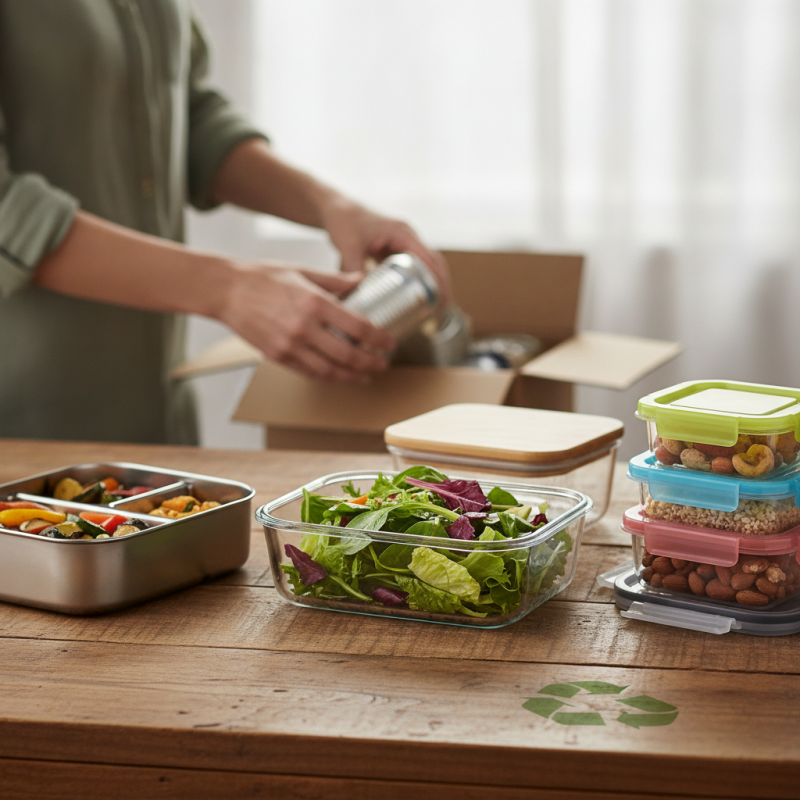
Many consumers overlook the importance of the material. Plastics, glass, and stainless steel each have distinct properties. For example, glass is non-toxic but can break easily. Stainless steel is durable, but may not be microwave-safe. Similarly, plastics can leach chemicals, especially when heated. Buyers should also be aware of recycling and sustainability.
The right choice depends on personal needs and lifestyle. Not every material suits every purpose. Reflect on how you plan to use your containers. This thoughtful approach can guide you to better choices. By knowing the pros and cons, you can make informed decisions that benefit your health and the planet.
Best Food Container Materials: An Overview of Options
When choosing food containers, various materials present different advantages and drawbacks.
Glass containers are popular for their non-reactive nature.
They do not absorb food odors or stains. However, they can be heavy and breakable. This may lead to some frustration when storing or transporting meals.
Plastic is lightweight and versatile, making it a common choice.
It offers different grades, including
BPA-free options that are safer for food storage.
Still, concerns about durability and potential
chemical leaching can unsettle discerning buyers.
Stainless steel is another option. It is durable, resistant to rust, and typically easy to clean.
Yet, the lack of transparency can make it hard to see what's inside.
Biodegradable materials are emerging in food storage.
They appeal to environmentally-conscious consumers. However, they may not always provide the same level of durability as traditional materials.
Some users might find their durability lacking for long-term use.
Choosing the right material involves weighing these characteristics against personal preferences and needs.
Each option has its merits and limitations, inviting careful consideration.
Understanding Plastic: Types and Their Uses in Food Storage
When it comes to food storage, understanding plastic is essential. Various types of plastic are commonly used in containers. For instance, Polyethylene Terephthalate (PET) is widely recognized for its safety. According to a 2021 study from the Plastics Industry Association, about 70% of consumers prefer PET for its recyclability. It’s transparent, lightweight, and ideal for storing beverages and some food items.
Polypropylene (PP) shows great versatility. It withstands higher temperatures, making it suitable for microwaves. Research indicates that approximately 50% of consumers use PP containers for meal prepping. They are durable and have a higher melting point, which supports food safety. However, some consumers have raised concerns about potential chemical leaching during heating, which merits further investigation.
Polyvinyl Chloride (PVC) is less favored in the food industry. This is due to its potential health risks. Only about 15% of people choose PVC containers for food storage, highlighting a clear preference for safer alternatives. Regulations around food-grade PVC have tightened, emphasizing the need for continuous public awareness regarding plastic types and their safe uses in everyday life.
Glass Containers: Benefits and Optimal Uses for Food Preservation
Glass containers are an excellent choice for food preservation. They are non-reactive, which means they won’t leach harmful chemicals into food. This quality makes them a favorite among health-conscious consumers. Additionally, glass is durable and can withstand temperature changes. You can safely use glass containers in the oven or microwave, making them versatile for various cooking methods.
Tips for using glass containers effectively:
Always allow hot glass containers to cool before washing them in cold water. This prevents thermal shock. Store food in smaller portions to minimize spoilage. It’s easier to reheat smaller amounts, reducing food waste.
When selecting glass containers, consider shapes and sizes. Wide-mouth jars are convenient for easy access. Also, opt for containers with airtight seals to keep food fresher longer. But remember, glass can break. Handle your containers with care to avoid accidents. Reflection on your storage practices can lead to better food management.
Metal Food Containers: Pros, Cons, and Best Practices
Metal food containers have gained popularity for their durability and eco-friendliness. They resist moisture, making them ideal for storage. Additionally, metal does not absorb odors or stains like plastic containers can. This is particularly valuable for those who prioritize hygiene and want to avoid chemical leaching. Stainless steel and aluminum are the most common materials used in these containers.
However, metal containers are not without drawbacks. They can be heavier than plastic, which may be inconvenient for some users. Some individuals might also find that metal can dent or scratch easily. Furthermore, containers with non-stainless steel coatings may rust over time. Careful attention to usage and maintenance is essential to prolong their lifespan.
When using metal food containers, best practices should be followed. Always clean them with gentle detergents and avoid abrasive scrubs. Preventing prolonged exposure to moisture is key, as it can lead to rust. Regularly inspect these containers for wear and tear. By taking these precautions, one can enjoy the many benefits of metal storage while minimizing its potential downsides.
Comparison of Food Container Materials
This chart compares the durability ratings of different food container materials. Metal containers score the highest in durability, followed by glass, silicone, and plastic.
Bamboo and Biodegradable Options: Eco-Friendly Food Storage Choices
Bamboo and biodegradable materials are transforming food storage solutions. These options greatly reduce plastic waste. They provide safe, sustainable ways to store food, offering a guilt-free alternative for eco-conscious consumers.
Bamboo containers are strong and naturally resistant to bacteria. They are lightweight and durable, making them ideal for kitchen use. Biodegradable materials, on the other hand, break down into compost, enriching the soil. This ensures that your food storage doesn’t just vanish into landfills.
However, not all bamboo products are created equal. Quality can vary, and some may not be fully biodegradable. Research is needed to find reliable options. Make informed choices by looking for certifications or environmentally friendly labels. Every small change counts in reducing our environmental footprint.
Conclusion
When considering what materials are best for food containers, it's essential to explore various options available in the market. This article provides an overview of the most common materials, including plastics, glass, metal, and eco-friendly alternatives like bamboo and biodegradable containers. Understanding the different types of plastic and their applications is vital, as some are better suited for specific food storage needs. Glass containers are highlighted for their benefits in food preservation, while metal containers offer durability alongside some limitations. The article also emphasizes the growing trend towards sustainable storage solutions, showcasing bamboo and biodegradable options as environmentally conscious choices for consumers.
In summary, the choice of material for food containers significantly impacts both food safety and environmental sustainability. Buyers should weigh the pros and cons of each type to determine which options best meet their storage needs while considering the implications of their choices on health and the environment.

 Calmora Bottle