Choosing the right bottle for a hot drink is no longer a simple matter of picking stainless steel. In 2026, buyers are comparing heat retention, lid safety, flavor transfer, cleaning access, weight, and environmental impact. The question is practical: what is the best bottle for hot drinks when coffee must stay warm during a long commute?
Market evidence shows why this decision matters. Grand View Research reports continued growth in reusable water bottles, driven by sustainability concerns and everyday convenience. Future Market Insights also identifies vacuum-insulated bottles as a strong category within the wider drinkware market. These reports describe market direction, not proof that one bottle suits everyone. That distinction matters.
Food scientist Dr. Bryan Quoc Le offers a useful principle: “For hot beverages, material choice matters more than appearance.” A double-wall vacuum bottle usually performs best for heat retention. Stainless steel offers durability and resists accidental breakage. However, it can retain strong coffee or tea aromas. Glass gives a cleaner taste, but it feels fragile inside a crowded work bag. Plastic may be light, yet many models lose heat quickly.
Look closely at the lid. A narrow opening reduces spills and slows heat loss. A wide mouth simplifies cleaning, but it exposes more liquid when opened. Some claims are overstated. A bottle promising twelve hours of heat may deliver less after repeated opening, cold weather, or a half-filled interior.
This guide examines the evidence, not just the marketing. The best choice may be imperfect. Your drink, routine, and cleaning habits decide the winner.
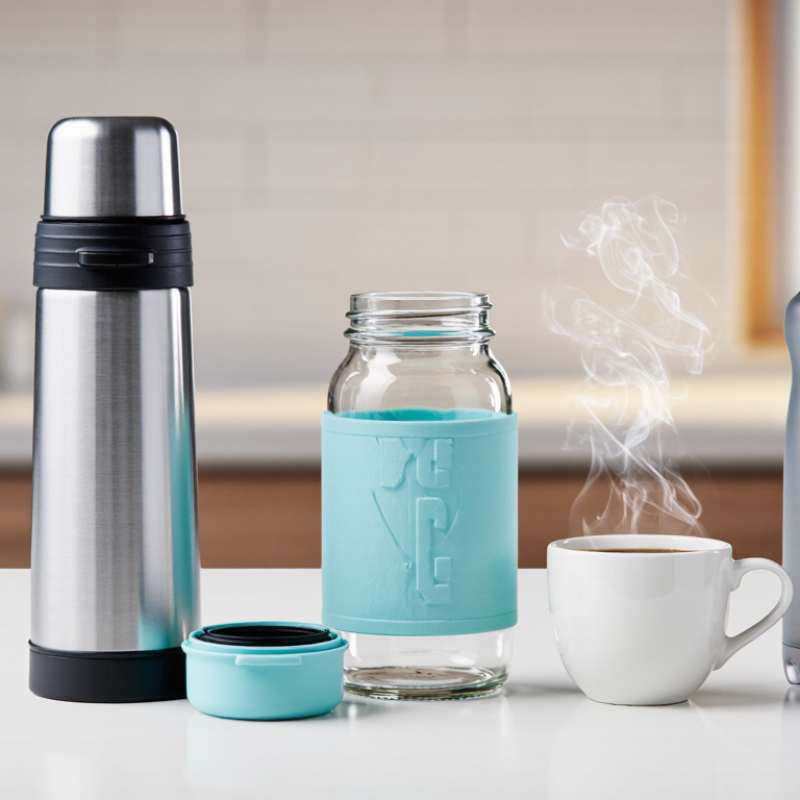
What Is the Best Type of Bottle for Hot Drinks in 2026?
A suitable hot-drink bottle should control temperature, protect your hands, and remain dependable during daily travel. In practical use, double-wall vacuum insulation keeps tea warm for hours without making the outside uncomfortable. Stainless steel is usually durable, but the inner surface must be food-safe and free from strong metallic odors. A secure lid matters just as much. One loose seal can ruin a bag, desk, or train journey.
The opening should match the drink. A narrow mouth helps retain heat, while a wider mouth makes cleaning easier and allows tea leaves to be removed. A smooth interior, removable gasket, and clear cleaning instructions are valuable features in 2026. Some modern bottles include temperature indicators, but convenience should not replace basic reliability. I once preferred a clever lid over a simple one, then found it harder to wash. That choice needed more thought.
Tips: Preheat the bottle with hot water before adding your drink. Do not fill it completely, especially with boiling liquid, because pressure can build under the lid. Check the seal regularly for cracks or trapped residue. Carry the bottle upright when possible. Test the temperature before drinking, since strong insulation can hide dangerously hot liquid. No bottle is perfect. The best choice balances heat retention, safe handling, easy cleaning, and realistic daily habits.
| Bottle Type | Typical Construction | Heat Retention | Hot-Drink Suitability | Key Advantages | Main Limitations | Best Use Case |
|---|---|---|---|---|---|---|
| Double-Wall Vacuum-Insulated Stainless Steel | Two stainless-steel walls with most air removed from the space between them. | Very high; commonly keeps drinks hot for several hours, depending on capacity, lid design, and starting temperature. | Excellent | Strong, reusable, resistant to breakage, and reduces external surface heat. | Heavier than plastic; sealed lids require regular cleaning to prevent odor and residue buildup. | Commuting, travel, outdoor activities, and long periods away from a kitchen. |
| Single-Wall Stainless Steel | One stainless-steel wall without a vacuum-insulated layer. | Low; heat is lost relatively quickly through the bottle wall. | Acceptable for short-term use | Durable, lightweight, and generally easy to recycle where facilities accept the material. | The outside can become hot; condensation and rapid cooling are more likely. | Short trips or situations where the drink will be consumed soon after filling. |
| Borosilicate Glass with Protective Sleeve | Heat-resistant borosilicate glass, usually covered by silicone or another protective sleeve. | Low to moderate; glass does not provide the same insulation as a vacuum layer unless the bottle is specially designed with double walls. | Good for short to moderate periods | Does not retain flavors easily, allows the drink to be seen, and is suitable for many hot beverages. | Breakable if dropped; the outside may become warm; the sleeve does not make it unbreakable. | Home, office, and careful everyday use where flavor visibility is important. |
| Double-Wall Glass | Two glass walls separated by an insulating air gap or sealed cavity. | Moderate; better than single-wall glass but generally less impact-resistant than steel vacuum bottles. | Very good for indoor use | Comfortable to hold, visually attractive, and helps reduce direct heat transfer to the hand. | Fragile, usually less suitable for bags or outdoor activity, and may have a more delicate lid assembly. | Tea or coffee served at a desk, in a kitchen, or in a controlled indoor environment. |
| Heat-Resistant Plastic | Food-contact plastic selected for elevated-temperature use, sometimes with a separate insulating layer. | Low to moderate unless the bottle is specifically insulated. | Suitable only when explicitly rated for hot liquids | Lightweight, impact-resistant, and often more affordable. | May absorb odors or stain; some plastics can deform or age when exposed to high heat, dishwashers, or repeated use. | Lightweight short trips, provided the manufacturer clearly permits hot drinks. |
| Ceramic Travel Bottle | Glazed ceramic body, often combined with a silicone sleeve or protective exterior. | Low to moderate; depends on wall thickness and whether an insulating outer layer is present. | Good for careful, short-term use | Neutral taste, attractive finish, and useful for users who prefer a cup-like drinking experience. | Heavy and breakable; chips or cracks can compromise hygiene and safety. | Home, office, or carefully managed transport. |
Most suitable overall choice in 2026
A double-wall vacuum-insulated stainless-steel bottle is generally the best all-around choice for hot drinks because it combines strong heat retention, durability, portability, and a lower risk of the exterior becoming dangerously hot.
Important selection criteria
Choose double-wall vacuum insulation, a food-safe interior, and a dependable lid. The outside should remain comfortable to hold. Easy cleaning matters too. A clever feature cannot replace basic reliability.
Stainless steel is usually durable and practical for daily travel. A smooth interior can reduce metallic tastes and coffee residue. Glass preserves flavor clearly, but it may crack and lose heat faster. Ceramic lining can taste cleaner, though it adds weight. I sometimes overlook weight.
A narrow mouth usually retains heat more effectively. It also reduces spills during crowded commutes. A wider opening makes cleaning easier and helps remove tea leaves. Choose based on your habits. Neither design wins every time.
Select a lid with a simple, secure seal and clear locking action. A weak gasket can wet a desk, bag, or train seat. Check the seal for cracks and trapped residue. Carry the bottle upright when possible. Keep it upright.
Preheat it with hot water for several minutes. Then empty it before adding coffee or tea. Leave space below the rim, especially with very hot liquid. Pressure can make the lid difficult to open. Do not fill it completely.
Pour hot water inside and close the lid firmly. Touch the outside after ten minutes. It should feel nearly cool, not hot. Test the drink before sipping because insulation can hide dangerous heat. The test is simple.
Use a soft brush and follow the cleaning instructions. Remove the gasket when possible. Coffee oils may collect underneath it after several uses. Rinse the lid carefully and let every part dry. A removable seal helps, but it still needs attention.
It can be convenient, but it is not essential. A secure lid, safe handling, and easy cleaning matter more. Let boiling liquid cool briefly before sealing the bottle. Confirm the lid is fully locked afterward. Convenience can distract from the basics.
Choosing what is the best bottle for hot drinks in 2026 depends on more than heat retention. A suitable bottle should combine reliable insulation, heat-resistant materials, a secure leak-proof lid, and a comfortable design for daily use. Stainless steel can provide strong durability and long-lasting temperature control, while glass may preserve taste well but often requires extra protection from impact. Certain lightweight materials can be convenient, but users should confirm that they are designed for hot liquids and do not soften, retain odors, or release unwanted flavors.
The right choice also depends on the drink. Coffee drinkers may value heat retention and spill prevention, while tea drinkers may prefer a neutral interior that protects delicate aromas. Consider mouth width, cleaning access, lid compatibility, and whether the bottle is easy to carry without becoming too hot on the outside. Regular washing, inspecting seals, and avoiding unsuitable dishwashers can extend its life. A durable, reusable bottle made from recyclable materials can also reduce waste and support more sustainable everyday habits.

 Calmora Bottle