As the world increasingly turns to sustainability, the question arises: what are the latest trends in reusable bottles? Sustainability expert Dr. Emily Carter emphasizes, “Innovations in reusable bottles are not just about functionality; they reflect our collective values.” This statement captures the essence of what’s happening in this space.
In recent years, reusable bottles have evolved significantly. Not only are they becoming more stylish, but they are also integrating advanced technology. Features like self-cleaning capabilities and temperature control are gaining traction. We see brands stepping up to create products that resonate with eco-conscious consumers. The focus is on reducing plastic waste while enhancing daily convenience.
However, there remains room for improvement. Many reusable bottles still lack personalization options. Consumers crave unique items that reflect their identity. Addressing this gap could bridge the divide between style and sustainability. Exploring these trends helps us understand the future of reusable bottles and our role in it.
The growing emphasis on sustainability in consumer products is paving the way for innovative materials in reusable bottles by 2026. According to a report by Smithers Pira, the market for reusable bottles is expected to reach $10 billion by the end of the decade. This surge is driven largely by environmentally conscious consumers seeking alternatives to single-use plastics. Bio-based plastics, recycled PET, and stainless steel are gaining prominence due to their lower environmental impact.
Reusable bottles are moving towards materials that minimize ecological footprints. For instance, bottles made from recycled ocean plastics are becoming more common. A recent study highlighted that using such materials could reduce carbon emissions by up to 50% compared to traditional plastics. This shift not only promotes recycling but creates a positive narrative surrounding plastic usage.
**Tips:** When choosing a reusable bottle, consider the material's lifecycle. Look for labels that confirm sustainability claims. A bottle's durability is key—long-lasting products reduce waste. Also, stay informed about the latest trends in materials to make informed choices.
Smart water bottles are gaining traction in 2026.
Their advanced features attract health-conscious consumers. A recent market report indicates that the global
smart water bottle market is projected to reach
$1.5 billion by 2027, growing at a
compound annual growth rate (CAGR) of 25%. This growth reflects a shift
in consumer behavior toward tech-savvy hydration solutions.
These bottles often come with built-in sensors. They track water intake, remind users to drink, and sync data to mobile apps.
Some models integrate with fitness trackers, enhancing user experience. However, the quality and reliability of these sensors can
vary. Users may find inconsistencies in data, leading to frustration.
Sustainability is essential in this market. Many brands focus on eco-friendly materials,
appealing to environmentally conscious buyers. Yet, the energy consumption of smart features raises questions.
Balancing technology and sustainability remains a challenge. As innovation evolves, the industry will need to address these concerns directly.
The future of reusable bottle design hinges on customization and personalization. Consumers now seek products that reflect their individuality. A bottle isn't just for hydration anymore; it's a personal statement. Many are looking to add names, logos, or unique colors to make their bottles stand out.
Sustainability also plays a crucial role. Customers prefer bottles made from eco-friendly materials. They want options that match their lifestyle. Personalization adds emotional value, making consumers more likely to use their bottles instead of disposable ones. The tactile experience—feeling the unique texture or design—enhances ownership. However, this push for customization can lead to overproduction and potential waste.
As trends evolve, brands must find a balance. While customization meets consumer demands, it poses challenges. Producing unique designs for each customer may impact efficiency. The key lies in sustainable practices that prioritize both personalization and the environment. Bottles should not just be unique; they should also be responsibly made.
The market for on-the-go hydration solutions is booming. According to Grand View Research, it is expected to reach $10.85 billion by 2027. This growth reflects changing consumer preferences. Many people are seeking more sustainable alternatives to single-use plastic. Reusable bottles are a powerful response to this trend. Their popularity highlights an increased awareness about environmental impacts.
However, not all reusable bottles are created equal. A report from the Ellen MacArthur Foundation notes that while they reduce plastic waste, the manufacturing process can still have a significant carbon footprint. Many consumers may overlook this fact. The production of stainless steel or glass bottles requires substantial energy, raising questions about sustainability. This contradiction invites reflection on our choices.
Moreover, education plays a crucial role in promoting eco-friendly practices. A recent survey indicated that more than 70% of respondents feel confused about which materials are truly sustainable. Awareness and understanding of eco-friendly materials can lead to more informed decisions. While reusable bottles represent an essential step toward reducing plastic waste, a deeper consideration of their environmental impact is needed.
Health and safety standards are reshaping the reusable bottle market. Consumers now prioritize materials that are safe for daily use. A surge in awareness about BPA and other harmful chemicals has led to a demand for non-toxic alternatives. Manufacturers are focusing on materials like stainless steel and BPA-free plastics. This shift points to a more informed consumer base.
Tips: Always check labels. Look for certifications that prove safety. Avoid bottles with harsh chemical components. This ensures you’re making a wise choice.
Reusability also matters. As environmental concerns grow, people prefer bottles that are easy to clean and maintain. Many now seek bottles that can withstand high temperatures for dishwashing. Heat sensitivity can impact the choice of materials. Finding a balance between style and safety can be challenging but necessary.
Tips: Choose bottles designed for both cold and hot drinks. Consider the ease of disassembly for cleaning. This can enhance longevity and performance.
The market is evolving, but not without flaws. Some products still fall short in meeting high safety standards. Awareness is key. Always stay informed about the latest updates on health regulations. Your choice of a reusable bottle should reflect a commitment to health and safety.
| Trend | Description | Health Standard Influence | Safety Features |
|---|---|---|---|
| Eco-Friendly Materials | Increasing demand for bottles made from recycled or biodegradable materials. | Meeting ISO 14001 Environmental Management Standards. | BPA-free and phthalate-free options to ensure safety. |
| Insulated Bottles | Popularity for maintaining beverage temperatures over extended periods. | Compliance with thermal insulation standards. | Double-walled vacuum insulation for durability and safety. |
| Smart Bottles | Integration of technology for tracking hydration levels and promoting water intake. | Adherence to wireless and electronic safety standards. | Water-resistant designs to ensure functionality. |
| Customizable Designs | Growing interest in personalized and customizable bottle designs. | Regulations ensuring that printing materials are food-safe. | Non-toxic inks and coatings used for customization. |
| Modular Bottles | Designs that can be adapted or expanded with additional components. | Conforms to modular design guidelines. | Secure locking mechanisms to prevent leaks. |
: Bio-based plastics, recycled PET, and stainless steel are gaining popularity due to lower environmental impact.
Bottles made from recycled ocean plastics can cut carbon emissions by up to 50% compared to traditional plastics.
Look at the material's lifecycle and seek labels that confirm sustainability claims for better environmental choices.
Consumers prioritize materials that are safe for daily use, especially avoiding harmful chemicals like BPA.
Opt for bottles designed for hot and cold drinks and ensure they can be easily cleaned.
Yes, some products don’t meet high safety standards, emphasizing the importance of consumer awareness.
Always check labels for certifications and avoid bottles with harsh chemicals to ensure safety.
Finding a balance between style and safety can be difficult and requires informed choices.
Staying updated on the latest trends and materials can help ensure you're making eco-conscious decisions.
Many consumers prefer bottles that are easy to clean, but some may face heat sensitivity issues.
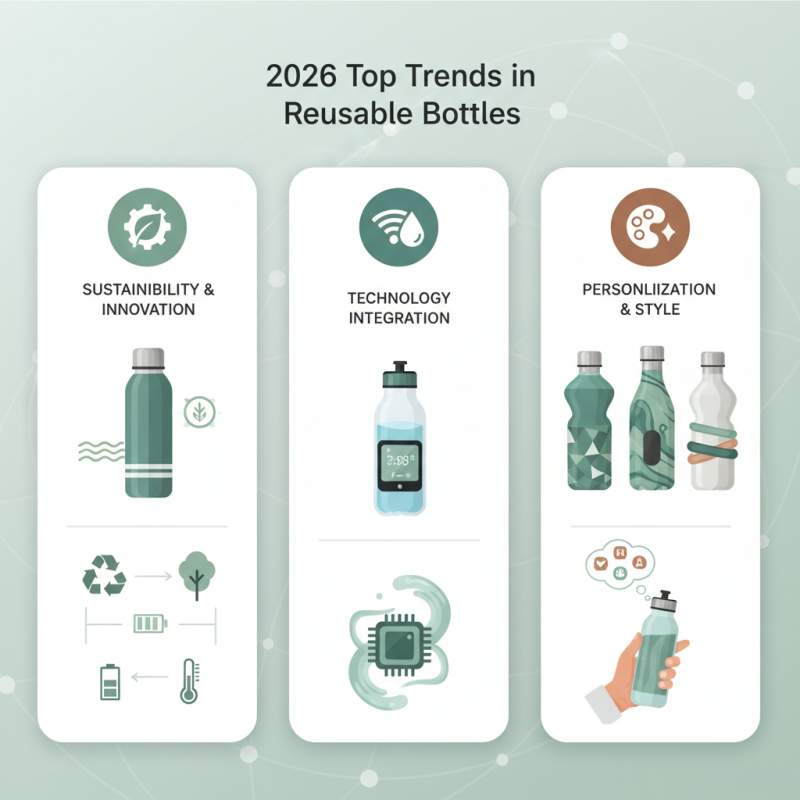
As we look toward 2026, understanding what are the latest trends in reusable bottles is essential for consumers and manufacturers alike. The use of sustainable materials is gaining momentum, driving innovation in bottle design that minimizes environmental impact. Additionally, smart water bottles are on the rise, featuring technology that enhances user experience through hydration tracking and reminders. The growing demand for customization and personalization is reshaping the market, allowing individuals to express their style while promoting eco-friendliness.
Moreover, the trend toward on-the-go hydration solutions highlights the importance of convenience, contributing positively to the environment by reducing single-use plastic waste. Health and safety standards play a crucial role in shaping consumer preferences, influencing the materials and features chosen for reusable bottles. Overall, the evolving landscape of reusable bottles reflects a commitment to sustainability while addressing modern lifestyle needs.

Calmora Bottle