2026 Best Single Wall vs Double Wall Bottles?

Time:2026-11-27 Author:Oliver
0%

Choosing between single-wall and double-wall bottles can change how a drink feels in your hand, not just how it stays in your bag. The key question is what is the difference between single wall and double wall bottles, and which design suits your daily routine? A single-wall bottle has one layer of material. It is often lighter, slimmer, and easier to carry on a short commute or hike. But hot drinks can make the outside uncomfortable to hold, while cold drinks may leave condensation on a desk.

A double-wall bottle has two layers separated by air or another insulating space. Many designs slow heat transfer, helping drinks stay warmer or colder for longer. Performance varies by construction, lid, and how often the bottle is opened. The extra layer can also mean more weight, bulk, and cost. Small details matter. A bottle that fits your cup holder may be more useful than one with impressive claims but an awkward shape. Cleaning access matters, too, especially around narrow openings and complicated lids.

There is no universal winner. A café regular carrying iced water may value insulation and a dry exterior. Someone packing a lightweight day bag may prefer a simple single-wall bottle. In this 2026 comparison, we’ll look at insulation, weight, durability, care, and everyday value. Specs help, but real use can be messier. One overlooked drawback can matter more than a feature list.
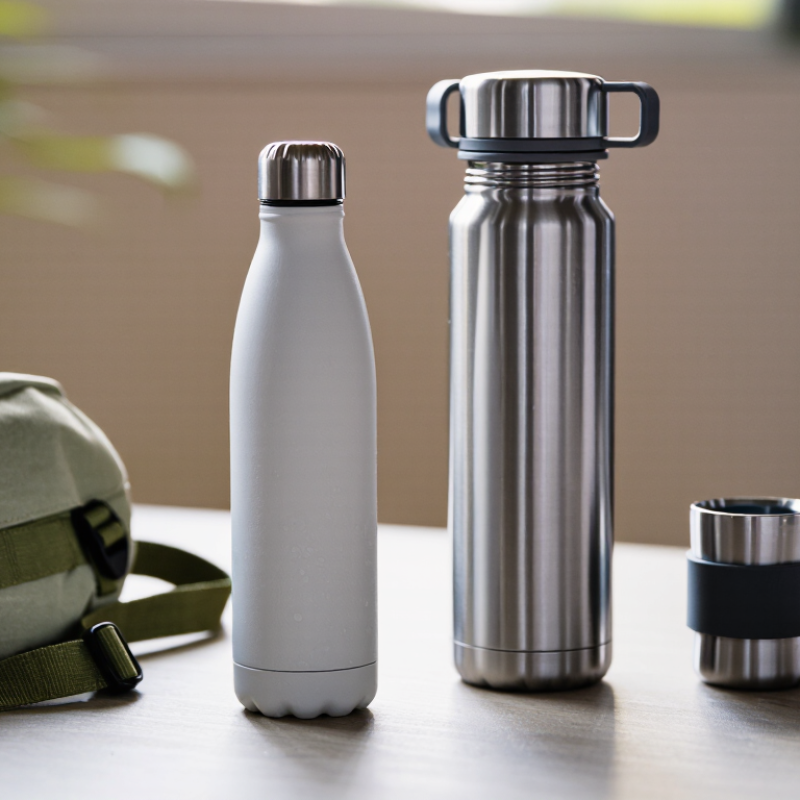
2026 Best Single Wall vs Double Wall Bottles?

Single-Wall and Double-Wall Bottles: Basic Definitions

2026 Best Single Wall vs Double Wall Bottles?

Single-Wall and Double-Wall Bottles: Basic Definitions

A single-wall bottle has one layer of material between your drink and the outside air. Its sides often feel cool when filled with cold water, and they can become warm with hot tea. Because there is no insulating gap, temperature changes pass through the wall relatively easily. These bottles are usually lighter and simpler in construction. They can suit everyday hydration when keeping a drink at a steady temperature is not the main goal.

A double-wall bottle has two walls with a space between them. In insulated designs, that space is often evacuated to reduce heat transfer; other designs may use a different insulating gap. The outer surface is less affected by the drink’s temperature, so cold bottles are less likely to collect condensation. Hot contents may stay warm longer, but performance varies with materials, lid design, and how often the bottle is opened. The term “double-wall” alone does not guarantee strong insulation. That distinction matters. I would check the product’s stated construction rather than guess from appearance; a polished exterior can be misleading.

Tips: For a cold drink on a desk, compare how each bottle handles condensation. For hot drinks, check whether the maker specifies vacuum insulation, and handle the bottle carefully after filling. My own rule is simple, though not perfect: choose based on the temperature you need to maintain, not wall count alone.

How Bottle Wall Construction Affects Weight and Durability

A single-wall bottle uses one metal shell, so it is usually lighter and easier to pack. A double-wall bottle adds an inner shell and an insulating gap, increasing material and weight. The difference depends on diameter, wall gauge, and construction. The Aluminum Association lists aluminum density at about 2.70 g/cm³, while World Stainless technical data places common stainless steel grades near 7.9–8.0 g/cm³. That helps explain why material choice can outweigh wall count in the hand.

Double walls can keep hot coffee from warming your fingers and reduce condensation on a cold bottle. But they are not automatically tougher. A dented outer shell may leave the inner vessel intact, yet a hard impact can damage seals or insulation. Single-wall bottles have fewer layers and may be simpler to inspect, but they can transfer heat quickly and dent directly. Weight alone misleads. A thin double-wall bottle may feel lighter than a thick, single-wall steel one.

For a useful durability comparison, check the base, rim, seams, and lid, then compare bottles at the same capacity. ASTM International’s D5276 drop-test method evaluates damage after free-fall impacts; it does not declare one wall design universally stronger. Ask whether testing used a filled bottle, what surface it struck, and whether leaks or dents counted as failure. Real life is messier: a bottle dropped onto a tile corner may behave differently from one dropped flat onto wood.

Comparing Temperature Retention and Condensation

Single-wall and double-wall bottles behave very differently when temperatures shift. A single-wall bottle transfers heat quickly through its thin sides. Pour in iced water on a humid afternoon, and droplets may soon form on the outside. Set it on a wooden desk, and you might find a damp ring underneath.

A double-wall bottle has two layers with an insulating gap between them. This slows heat moving in or out, so cold drinks usually stay cool longer and hot drinks lose warmth more slowly. The outer surface also tends to remain closer to room temperature, reducing condensation. No wet hands. No puddle. Still, performance depends on the lid, seals, materials, and how often the bottle is opened. A loose lid can undo some of the benefit.

I used to judge insulation by how cold the bottle felt, but that was a poor test. A cool exterior does not tell you the drink’s exact temperature. For a fair comparison, fill both bottles with the same drink, close them fully, and check the liquid after a few hours. Keep them in the same spot, away from direct sun. Results will vary with room temperature and bottle design, and even a careful home test has limits.

2026 Best Single Wall vs Double Wall Bottles? — Comparing Temperature Retention and Condensation

Illustrative comparison using 500 mL bottles filled with water at 80°C, left for 2 hours in a 22°C room. Condensation is the water collected from each bottle’s exterior during the same period. Results vary with bottle design and test conditions.

In this example, the double-wall bottle retains more heat and produces less exterior condensation. Single-wall bottles generally allow heat to pass through the wall more readily, which can make the exterior cooler than humid surrounding air and encourage condensation.

Best Uses for Each Bottle Type in 2026

Single-wall bottles suit users who value low weight, simple cleaning, and easy packing. Their thin construction works well for room-temperature water, short walks, and desk use. They also fit narrow bag pockets without adding much bulk. Light matters. A single-wall bottle does not provide meaningful insulation, though, so cold drinks can warm quickly and may leave condensation on a table. Use care with hot liquids; the outer surface can become uncomfortable to hold.

Double-wall bottles are a better match for long commutes, outdoor days, or drinks you want to keep hot or cold longer. The sealed space between walls slows heat transfer, while the outer surface usually stays more comfortable to grip. They can be heavier and harder to clean, especially around the lid and narrow openings. That trade-off is easy to underestimate. I’d check the bottle’s care instructions and lid design before choosing, since insulation performance varies by construction. For a short trip, the extra weight may feel unnecessary; for a long day away from a sink, it may be worth carrying.

2026 Best Single Wall vs Double Wall Bottles? - Best Uses for Each Bottle Type in 2026

Comparison Single-Wall Bottle Double-Wall Bottle Best Use
Construction One main wall separates the drink from the outside. Commonly made from stainless steel or plastic. Two walls create an insulating space; many insulated models use a vacuum between the walls. Choose single-wall for a simple, lightweight design; double-wall for insulation.
Temperature retention Provides little insulation, so drinks tend to move toward the surrounding temperature more quickly. Slows heat transfer. Vacuum-insulated versions can keep drinks hot or cold longer; results depend on design and use. Double-wall is generally better for commuting, travel, and long outings.
Condensation and exterior feel Cold drinks may cause condensation on the outside in humid conditions; the bottle can feel cold to hold. Insulated construction usually reduces exterior condensation and helps keep the outside more comfortable to hold. Double-wall is more convenient for desks, bags, and cup holders where moisture is unwelcome.
Weight and portability Usually lighter because it has a simpler construction. Often heavier and bulkier than a comparable single-wall bottle, though weight varies by material and capacity. Single-wall suits lightweight day hikes and situations where low weight matters most.
Hot-liquid handling The exterior can become hot when filled with hot liquid. Check the product instructions before use. Insulation generally helps the outside remain more comfortable to hold, but lids and openings may still be hot. Double-wall is often the more practical choice for carrying hot drinks.
Cleaning and care A straightforward interior can be easy to clean; cleaning access depends on the opening and lid design. Care is also determined by the bottle opening, lid, and manufacturer’s instructions. Vacuum-insulated bottles should not be assumed to be dishwasher-safe. For either type, check care instructions and clean the lid and seals regularly.
Typical price Often less expensive because the construction is simpler, though materials and design affect price. Often costs more because insulation adds materials and manufacturing steps; actual prices vary widely. Single-wall fits a tighter budget; double-wall may be worth it when temperature control matters.
Best everyday scenarios Room-temperature water, short trips, gym sessions, and situations where a light bottle is the priority. Long commutes, road trips, outdoor activities, and keeping drinks closer to their starting temperature. Match the bottle to how long you need temperature control and how much weight you are willing to carry.
Quick recommendation A practical choice when low weight, simplicity, and room-temperature drinks are the main priorities. A practical choice when better hot-or-cold retention and reduced exterior condensation are important. There is no universal winner: choose based on your drink, trip length, weight preference, and care requirements.

Note: “Double-wall” describes a construction, not a guaranteed level of insulation. Temperature performance varies by materials, lid design, fill level, and whether the space between the walls is vacuum-insulated.

How to Choose Between Single-Wall and Double-Wall Bottles

2026 Best Single Wall vs Double Wall Bottles?

Choosing between single-wall and double-wall bottles starts with how you use them. A single-wall bottle is light, slim, and easy to carry on a short walk. It can warm quickly in your hand, though, and cold drinks may leave condensation on a desk. Double-wall bottles add an insulating air gap; vacuum-insulated versions usually slow heat transfer more effectively. Their trade-off is extra weight and bulk. Not every double wall performs equally.

Think about your daily routine. For a quick commute, a lightweight bottle may be enough. For hours outdoors, or coffee beside a laptop, double-wall insulation offers more temperature stability and a cooler outer surface. Check the lid, too: leaks often come from the seal, not the walls.

The U.S. EPA’s 2018 Advancing Sustainable Materials Management report estimated that containers and packaging made up 28.1% of U.S. municipal solid waste. That figure covers many materials, not bottles alone, but it is a useful reminder to choose a bottle you will keep using.

Tips: Compare empty weights in your hand, then check whether the bottle fits your bag’s side pocket. If you mainly drink room-temperature water, paying extra for insulation may not make sense. I still find this choice less obvious than product labels suggest.

FAQS

Why is a single-wall bottle usually lighter?

It has one metal shell instead of two. Its weight also depends on material, diameter, and wall thickness.

Are double-wall bottles always more durable?

No. Not always. The extra shell may protect the inner vessel from some dents, but a hard impact can damage seals or insulation.

Which bottle is better for keeping drinks cold or hot?

Double-wall bottles usually slow heat transfer, so drinks stay closer to their starting temperature. Results vary with the lid and how often you open it.

Why does condensation form on some bottles?

A single-wall bottle can get cold on the outside. On a humid afternoon, droplets may gather and leave a damp ring on a wooden desk.

Does a cool exterior prove that a drink is still cold?

No. A cool surface does not reveal the drink’s exact temperature. Check the liquid itself after a few hours.

What should I inspect when comparing durability?

Look at the base, rim, seams, and lid. Compare bottles of the same capacity, and check how each was drop-tested.

Which type is more practical for a short commute?

A slim, lightweight single-wall bottle may be easier to carry. Check that it fits your bag’s side pocket.

Is insulation worth the extra weight?

It may help during long outdoor trips or beside a laptop. For room-temperature water, the added bulk may not be useful. I still find labels a little too reassuring.

Conclusion

Understanding what is the difference between single wall and double wall bottles starts with their construction. A single-wall bottle has one layer of material, making it lightweight and straightforward, while a double-wall bottle has two layers separated by an insulating space. This extra layer can add weight and affect durability, but it also helps slow temperature changes. Double-wall designs are generally better at keeping drinks hot or cold and reducing exterior condensation; single-wall bottles may feel cooler or warmer to the touch and are often easier to carry.

Each type suits different needs in 2026. Choose a single-wall bottle when low weight, simplicity, and everyday portability matter most, such as for casual use or carrying room-temperature drinks. A double-wall bottle is a stronger choice for longer outings, temperature-sensitive drinks, or situations where a dry exterior is important. To decide, consider how long you need to maintain a drink’s temperature, how much weight you are willing to carry, and the bottle’s intended use.

Oliver

Oliver

Oliver is a seasoned marketing professional with a wealth of expertise in driving brand awareness and engagement. With a deep understanding of our company's product offerings, he consistently delivers high-quality content that enriches our professional blog. His insights not only shed light on......